Which Cooler Keeps Ice the Longest?
A well-insulated hard cooler is usually the best choice when you want ice to last longer. For which cooler keeps ice the longest, compare insulation and lid seals, then pre-chill, pack enough ice, and limit openings.
On this page (8 sections)
- Which cooler keeps ice the longest for your trip?
- What should you compare when choosing a cooler?
- How should you set up and pack a cooler?
- Does block ice last longer than cubed ice?
- Who should choose each cooler, and who should skip it?
- What mistakes make ice melt faster?
- How can you compare ice-retention claims fairly?
- Which cooler keeps ice the longest for your needs?
A well-insulated hard cooler is usually the best choice when you want ice to last longer. To decide which cooler keeps ice the longest for your trip, compare insulation, lid sealing, usable capacity, and how much ice you can pack.
The cooler matters, but so does the way you use it. Pre-chill it, load cold food and drinks, keep it shaded, and limit lid openings to reduce the heat your ice has to absorb.
Which cooler keeps ice the longest for your trip?
A well-insulated hard cooler with a close-fitting lid is a strong choice for longer ice retention. No single day count applies to every trip, since heat, packing, ice quantity, and lid habits change the result.
For a smaller load, the YETI Tundra 45 and RTIC 45 Ultra-Tough offer 45 quart capacities. The RTIC 52 Ultra-Light gives you more room in a lighter design, while the Lifetime 115 Quart is for large group loads that can use its capacity.
The YETI Tundra 45 has a dry goods basket to keep snacks above meltwater and a drain system for emptying it. YETI recommends pre-chilling, quality ice, a 2:1 ice-to-contents ratio, and fewer lid openings.
The RTIC 52 Ultra-Light has up to 3 inches of closed-cell foam insulation and is designed to weigh more than 30% less than rotomolded coolers of the same capacity. Its 21 lb empty weight makes it a practical choice when portability matters alongside capacity.
The RTIC 45 Ultra-Tough has a built-in bottle opener and a silicone cargo net in the lid for smaller items. It fits up to 60 cans, so it suits a weekend load better than a group gathering that calls for a much larger cooler.
Lifetime says its 115 Quart High Performance Cooler offers up to 10-day ice retention. That is a brand claim, not a guarantee for every outing; choose this size when you can use its space and pack enough ice.
What should you compare when choosing a cooler?
Start with the load and trip length, then compare insulation, lid sealing, and capacity. A cooler that fits the way you travel and can be packed full is often more useful than a larger one that is only partly loaded.
How do insulation and seals affect which cooler keeps ice longest?
Thicker insulation can slow heat entering through the walls, while a gasket helps close the gap around the lid. The Tundra 45 and RTIC 52 Ultra-Light have up to 3 inches of insulation, the RTIC 45 Ultra-Tough has up to 2.8 inches, and the Lifetime cooler has a gasket.
These features help you compare construction, but they don't translate into a guaranteed number of days. The sun, starting temperature of the contents, amount of ice, and time spent with the lid open all affect retention.
Is a bigger cooler better for keeping ice longer?
A larger cooler only helps if you need its space and can fill it with enough ice and contents. A smaller cooler may be easier to pack full for a couple of people, while a large group may need the Lifetime's 115 quart capacity.
Think about where you'll carry and store it, too. The RTIC 52 Ultra-Light's 21 lb empty weight suits buyers who expect to move it, while the 29.5 lb RTIC 45 Ultra-Tough is a heavier option despite its smaller capacity.
For a broader comparison of hard, wheeled, soft, and backpack styles, see our guide to the best coolers by type.
How should you set up and pack a cooler?
Pre-chill the cooler, use cold contents, pack enough ice, and keep the lid closed between uses. These steps reduce the heat load and give the ice less work to do.
- Chill the cooler before loading if the brand recommends it, and refrigerate food and drinks first.
- Use enough ice for the load. YETI recommends a 2:1 ice-to-contents ratio for the Tundra 45.
- Pack items snugly and keep food sealed against water and cross-contact.
- Put the items you'll need first near the top so you don't have to search with the lid open.
- Keep the cooler in shade and close it promptly after each use.
Avoid putting warm drinks or room-temperature food directly into the cooler when you can chill them first. Read how to pack a cooler so food stays cold and dry for a step-by-step packing approach.
Does block ice last longer than cubed ice?
Larger pieces of ice tend to melt more slowly than smaller pieces because less surface area is exposed to warm air. A mix of block ice and smaller pieces can also help fill gaps around food and drinks.
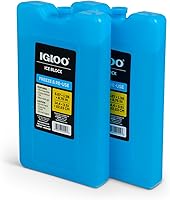
Use clean ice meant for food and drinks, and keep food sealed so it stays separate from meltwater. If you want less loose water and easier cleanup, consider ice packs; our guide to ice packs versus ice in a cooler explains the trade-offs.
Who should choose each cooler, and who should skip it?
Choose the cooler that matches your load, carrying needs, and trip length. A cooler with the most capacity can be the wrong choice if it is difficult to move or hard to fill with enough ice.
Is the YETI Tundra 45 right for your ice-retention needs?
Choose the Tundra 45 for multi-day camping, fishing weekends, and tailgates where a 45 quart capacity works. Its up to 3 inches of insulation, freezer-style gasket, dry goods basket, and drain system suit buyers who value a sturdy, well-sealed hard cooler.
Skip it if you need a much larger capacity for a big group or want a lighter cooler to carry. For a size comparison, see YETI Tundra 45 vs 65.
Should you choose the RTIC 52 Ultra-Light?
Choose the RTIC 52 Ultra-Light if you need 52 quarts of space but want a lighter design than a rotomolded cooler of the same capacity. Its up to 3 inches of closed-cell foam insulation makes it a fit for road trips, beach days, and other outings where one person may carry it.
Skip it if you need a specific day-count guarantee for ice retention, since RTIC gives no specific number of days. Check its external size against your vehicle and storage space before settling on a cooler with more room.
When does the Lifetime 115 Quart make sense?
Choose the Lifetime 115 Quart when you have a large group load for camping, fishing, or a picnic and can make use of its 115 quart capacity. Its gasket, easy-to-drain spout, and included divider add practical help for larger loads.
Skip this size for a few drinks or snacks. It is a large cooler, and it needs enough ice to make use of the extra space.
Who should choose the RTIC 45 Ultra-Tough?
Choose the RTIC 45 Ultra-Tough if you want a 45 quart rotomolded hard cooler with up to 2.8 inches of closed-cell foam, a built-in bottle opener, and a lid cargo net. It suits buyers who want a durable cooler for camping, boating, or a weekend load.
Skip it if a lighter design is your priority or if you need a large group capacity. Compare it with other coolers like YETI if you are weighing similar hard-cooler options.
What mistakes make ice melt faster?
Underfilling the cooler with ice, loading warm items, and opening the lid often can shorten ice life. A high insulation figure cannot make up for avoidable heat entering the cooler throughout the day.
Don't choose a large cooler just for the idea that bigger is better. If the load leaves substantial empty space, use a better-fitting size or pack enough ice to fill the extra room.
Don't leave the cooler in direct sun when shade is available, and don't keep the lid open while people decide what to take. A quick packing plan can reduce how long warm air enters each time.
How can you compare ice-retention claims fairly?
Compare the conditions behind each claim, not only its number of days. Different ice amounts, starting temperatures, outdoor temperatures, and lid-opening schedules make direct comparisons difficult.
Check whether a brand provides guidance on preparation and ice-to-contents ratio. If the conditions are unclear, treat a day count as a rough brand claim rather than a result you can expect on every trip.
For general factors that change ice life, read how long ice lasts in a cooler. You can also compare capacity, insulation thickness, seal design, and empty weight against the way you'll use the cooler.
Which cooler keeps ice the longest for your needs?
For a 45 quart load and multi-day use, choose the YETI Tundra 45; for a large group, consider the Lifetime 115 Quart if you can pack it full. Pick the RTIC 52 Ultra-Light when carrying weight matters, or the RTIC 45 Ultra-Tough when you want its rotomolded construction and useful lid features.
No cooler keeps ice longest in every situation. Match the size to your load, follow the brand's packing guidance, and use our cooler packing guide to help your ice last.
Frequently asked questions
Which type of cooler keeps ice the longest?
A well-insulated hard cooler is usually a strong choice for longer ice retention. Results depend on insulation, the amount of ice, how full the cooler is, pre-chilling, outdoor conditions, and how often you open the lid.
Does a bigger cooler keep ice longer?
A bigger cooler can hold more ice, but size alone doesn't guarantee longer retention. If you use the same amount of ice as in a smaller cooler, extra empty space may work against your goal.
Match the cooler to the food and drinks you're carrying.
What is the best ice-to-contents ratio?
A 2:1 ice-to-contents ratio is a useful target for the YETI Tundra 45. Follow the guidance for your cooler, leave room for proper packing, and remember that more ice means less room for food and drinks.
Do ice packs keep a cooler cold longer than ice?
It depends on the pack, cooler, and use. Ice packs can reduce loose meltwater, while regular ice can fill spaces around food and drinks.
Compare options in our guide to the best ice packs for coolers, and keep the cooler closed as much as possible.