How Long Will Ice Last in a Cooler?
Ice can last from several hours to several days in a cooler, depending on insulation, starting temperature, ice amount, weather and how often you open it. Pre-chill the cooler, pack it full, keep it shaded and limit lid openings.
On this page (8 sections)
- How long will ice last in a cooler?
- What changes how long ice lasts?
- Does hard, soft or wheeled design keep ice longer?
- How can you make ice last longer?
- Should you use ice packs, loose ice or both?
- Should you drain meltwater from a cooler?
- How do you know food is still cold enough?
- Which cooler setup fits your trip?
Ice can last from several hours to several days in a cooler, depending on insulation, ice amount, starting temperature, outdoor heat and how often you open the lid. Pre-chill the cooler, pack it full, keep it shaded and limit openings to stretch the ice.
A hard cooler with thick insulation generally suits longer trips, while a soft cooler trades some ice-holding potential for lighter carrying. Wheels can make a heavy load easier to move, but they don't determine how long ice lasts.
How long will ice last in a cooler?
There is no fixed number of hours that applies to every cooler. A small, partly filled cooler in direct sun may lose ice quickly, while a well-insulated, full cooler kept closed and shaded can hold it much longer.
The cooler's insulation and lid seal matter, as do the size and shape of the ice. Large blocks tend to melt more slowly than small cubes, but cubes fill gaps and chill items quickly.
Ice-retention times vary with the cooler, weather and packing routine. A brand's stated time applies to particular conditions and isn't a promise for your trip.
What changes how long ice lasts?
Heat entering the cooler is the main reason ice melts. Insulation slows that heat, while sun, warm contents and frequent lid openings speed it up.
- Cooler type: Thick insulation and a tight lid can slow heat transfer.
- Starting temperature: Pre-chilled food and drinks take less cooling from the ice.
- Ice amount: More ice gives you a larger cold reserve.
- Empty space: Unfilled air space warms as the cooler opens and closes.
- Sun and hot surfaces: Shade and a cool surface reduce heat exposure.
- Lid openings: Each opening lets warm air in and cold air out.
- Ice shape: Large blocks usually melt more slowly than small pieces.
A cooler's capacity doesn't guarantee a certain ice life. A large cooler packed with a few drinks may warm faster than a smaller one loaded tightly with cold items.
Does hard, soft or wheeled design keep ice longer?
A hard cooler with substantial insulation is often the better choice for longer ice retention. Soft coolers usually suit shorter outings and situations where carrying weight matters more than holding ice for days.
Do hard coolers keep ice longer?
Hard coolers often have thicker walls and more insulation than lightweight soft bags. RTIC says its Ultra-Tough hard cooler has up to 2.8 in of closed-cell foam insulation and is designed for long-lasting ice retention.
Those features don't guarantee a specific number of days in your conditions. Pick a hard cooler if you can manage its bulk and weight and need an insulated option for camping, boating or a long drive.
See our guide to how to pack a cooler for a step-by-step setup that limits warm air and wasted space.
Are soft coolers right for shorter trips?
Soft coolers are easier to carry and store, which can matter for a picnic, beach visit or day trip. Their ice life varies by design, insulation and closure, so don't assume every soft cooler has the same performance.
For a short outing, pre-chill the bag, load cold contents and keep it closed between servings. If you need a wheeled soft model, compare the choices in our guide to the best soft coolers with wheels.
Do wheels affect ice retention?
Wheels make a cooler easier to move; they don't determine how well it holds ice. Insulation, lid fit and how you use the cooler matter more.
Wheeled coolers can be hard or soft, so compare their construction and insulation before choosing one for a long trip. A hard wheeled model may suit a long haul over smooth ground, while a soft wheeled cooler can be easier to pack away.
How can you make ice last longer?
Pre-chill, pack tightly, add enough ice and keep the cooler shaded. These steps reduce how much heat your ice must absorb.
- Chill the cooler before loading it, if you have time.
- Start with cold food and drinks instead of warm items.
- Use enough ice to surround the contents and fill gaps.
- Keep the cooler in shade and off hot pavement.
- Open the lid only when you need something.
- Close it fully each time and check that the seal isn't blocked.
- Separate frequently used drinks if repeated access will warm the main cooler.
Keep raw food sealed and prevent meltwater from contaminating ready-to-eat food. Use a thermometer to check food temperature instead of judging by how much ice remains.
Should you use ice packs, loose ice or both?
Loose ice chills the contents broadly, while reusable ice packs avoid pooled meltwater. Choose based on whether you need surrounding cold, cleaner storage or both.
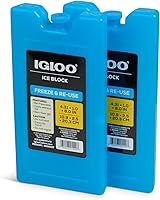
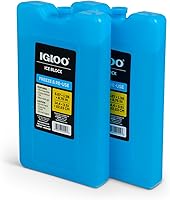
The Igloo Maxcold Ice Block is a reusable freezer block with non-toxic Ultratherm gel. Its contained shape can provide localized cold without loose ice water.
The package contains 2 blocks, each with freezable gel. Freeze them before the trip and position them beside the items that need cooling.
Tapleap's packs are reusable and made of PP plastic. Their large size may suit a cooler with enough room, so measure the interior before choosing them.
For a small cooler or lunch bag, Igloo Maxcold Ice Blocks may be easier to place than large flat packs. If you're deciding between frozen packs and loose ice, see ice packs vs. ice in a cooler.
Should you drain meltwater from a cooler?
Drain meltwater when it could soak food or when you need to make room, but don't drain automatically. Cold water can help keep items chilled if they are sealed and can stay dry.
Keep meat and other food in leakproof containers or bags, and keep ready-to-eat food away from raw items. Drain water if it threatens packaging, reduces usable space or makes the cooler too heavy to handle.
Follow the cooler's care instructions for the drain plug. Check the cooler after draining and close the plug securely.
How do you know food is still cold enough?
Use a food thermometer rather than the appearance of the ice. Ice can remain while parts of the cooler warm, and it can melt even when the contents are still cold.
The USDA advises keeping cold food at 40°F or below. Its cold food storage guidance covers safe handling and temperature checks.
Pack perishable food in sealed containers, keep it cold and avoid leaving the lid open during serving. If you need to know which cooler types suit different trips, start with best coolers by type.
Which cooler setup fits your trip?
For a long trip, choose a well-insulated hard cooler, pre-chill it and pack it tightly with enough ice. A soft cooler is more convenient for a shorter outing when low carry weight and easy storage matter more.
Use loose ice for broad contact, frozen packs to avoid meltwater, or both when the cooler and contents suit that setup. For more on insulation, packing and ice shape, read which cooler keeps ice the longest.
Frequently asked questions
How long does ice last in a cooler?
Ice can last several hours to several days, but there is no single time that fits every cooler and trip. Insulation, ice amount, starting temperature, outside heat, sun exposure, how full the cooler is, and lid openings all affect melt time.
Use a thermometer for food safety.
Does ice last longer in a hard cooler or a soft cooler?
A well-insulated hard cooler often holds ice longer than a basic soft cooler, though designs vary. Thick insulation, a tight lid and fewer openings help either type.
For short outings where carry weight matters more, a soft cooler can be easier to bring along.
Should I use ice or ice packs in a cooler?
Use ice when you need broad contact around food and drinks, and ice packs when you want to avoid meltwater or keep a small load cold. Combining them can suit longer trips, but the right amount depends on cooler size, trip length and how often you open it.
How can I make ice last longer in a cooler?
Pre-chill the cooler and its contents, use plenty of ice, fill empty space, keep the cooler shaded and open it only when needed. Drain meltwater only when it helps maintain cold contact or keeps food dry, and check food temperature with a thermometer.