Ice Packs vs Ice in a Cooler: Which Is Better? (October 2026)
For ice packs vs ice in a cooler, choose packs for reusable, contained cold and loose ice for flexible coverage. Your cooler layout, food and tolerance for meltwater should guide the choice.
On this page (11 sections)
- Ice packs vs ice in a cooler: which should you choose?
- What do ice packs change?
- What does loose ice change?
- Who should choose ice packs?
- Who should choose loose ice?
- How should you set up a cooler with ice packs?
- How should you set up a cooler with loose ice?
- Can you use both ice packs and loose ice?
- How much cold source should you pack?
- What mistakes should you avoid?
- Ice packs vs ice in a cooler: what's the final choice?
For ice packs vs ice in a cooler, choose packs for reusable, contained cold and loose ice for flexible coverage. Which works for you depends on the food you're carrying, the space in your cooler and whether meltwater will cause trouble.
Reusable packs stay contained, so you can remove them after the trip without draining loose ice water. Loose ice can settle around bottles and unevenly shaped food, but it melts into water that can wet anything not sealed.
A mix can suit a cooler with both open gaps and items that need to stay dry. For more reusable options, see our guide to the best ice packs for coolers.

Ice packs vs ice in a cooler: which should you choose?
Choose ice packs when reuse and less meltwater matter; choose loose ice when you want flexible coverage around oddly shaped items. Neither choice guarantees a particular cooling time, since the cooler, the amount of cold material and how often you open the lid all affect results.
Packs work best when you can freeze them ahead and fit their shapes around the food. Loose ice is easier to distribute through small gaps, but you need a plan for water and food packaging that can handle moisture.
The right setup starts with what you need to keep cold. Think about whether the contents need to stay dry, how much empty space remains after packing and whether you can store packs in a freezer before departure.
What do ice packs change?
Ice packs keep their contents contained, which reduces loose meltwater and makes post-trip cleanup simpler. They also take up a fixed amount of cooler space, so shape matters.
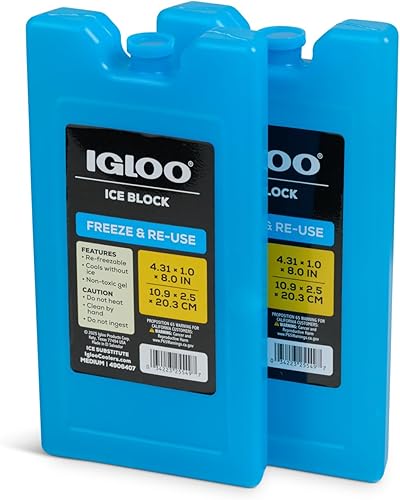
A hard block needs a spot where its shape won't prevent the lid from closing or crowd containers. The Igloo Medium Maxcold Ice Blocks are reusable gel blocks sold as a two-pack, with a hard shell and freezable gel.
Igloo describes the gel as non-toxic and says it delivers extended cooling performance. The blocks are intended to eliminate the mess of melting ice, but they still occupy space that could otherwise hold food or drinks.
Slim packs suit a different layout. The Cool Coolers XL Slim Ice Packs come in a set of 4 and can sit beside containers or bottles.
Fit & Fresh describes these packs as BPA-free and leakproof. Hand wash them, then rinse and pat them dry after use.
What does loose ice change?
Loose ice can fill small gaps around containers and irregular shapes, but the meltwater can wet unsealed contents. It suits a cooler where you want cold material distributed through the load and can drain the water afterward.
Keep raw foods in leak resistant containers and separate them from ready-to-eat items. Put foods that need to stay dry in sealed bags or containers, and keep paper labels and cardboard packaging away from pooled water.
A cooler with a drain makes water easier to remove, but you still need to empty and dry it after the trip. If you don't want to manage loose water, use contained packs or keep dry food in a separate sealed container.
Who should choose ice packs?
Choose ice packs for lunches, short outings and coolers where dry contents and quick cleanup matter. They're also a good fit when you want to reuse the cold source on another trip and have freezer space beforehand.
Packs work well with meals in containers, sealed snacks and drinks that need cold sources nearby. Slim packs are especially useful when you can fit them along the sides or between items without crushing the food.
Skip packs if their shapes take up too much room or you need cold material to fill many irregular gaps. They need to be frozen before use, so they won't help if you can't prepare them in advance.
Who should choose loose ice?
Choose loose ice when you need to fit cold material into changing gaps around bottles, bags and bulky food containers. It can be a practical choice when your priority is flexible coverage rather than clean, dry packing.
Loose ice may suit a cooler that carries drinks and sealed food, especially when the contents can tolerate some water. It is less suitable for cardboard boxes, unwrapped food or items that must remain dry.
Skip loose ice if draining and drying the cooler is inconvenient. For food that could be contaminated by raw meat juices, use sealed containers and keep those foods separate, regardless of which cold source you choose.
How should you set up a cooler with ice packs?
Arrange the food first, then place frozen packs around the items that need the coldest, most direct coverage. This makes it easier to see whether the pack shapes fit before the cooler is full.
Pre-chill the cooler and its contents when practical. Put perishable food in sealed containers, leave room for the packs and close the lid between access.
A hard block can sit beside or above a group of containers if the lid still closes. Slim packs can fit along a wall or between flatter items, but avoid wedging them so tightly that they make food hard to remove.
Don't count on one pack position to chill every corner of a large, loosely packed cooler. Use enough cold sources for the amount of food and reduce empty air space where you can.
How should you set up a cooler with loose ice?
Load sealed food and drinks first, then distribute loose ice through open spaces while keeping vulnerable items protected from water. Leave access to the drain if your cooler has one.
Keep raw meat sealed and separate from ready-to-eat foods. If food must stay dry, place it in a watertight container or bag rather than relying on the ice to stay in one spot.
Check the cooler before closing it to make sure the lid seals. A crowded load that stops the lid from closing can undermine the whole setup.
Can you use both ice packs and loose ice?
Yes, a mixed setup combines reusable cold sources with ice that can fill open gaps. It works when your cooler has room for packs and some of the contents can tolerate meltwater.
Place sealed packs near food you want to keep dry, then add loose ice where it can settle around containers. Keep raw foods contained and separate from ready-to-eat items.
This approach also lets you remove reusable packs during the trip while leaving loose ice in place. Use a separate sealed container for food that must stay dry.
How much cold source should you pack?
Pack enough cold material to surround or separate the perishable items, while leaving space for food and drinks. There isn't one count or ratio that fits every cooler.
A cooler with less empty air space has less room to warm when you open it. Pre-chill the cooler and contents when practical, and keep the lid closed between stops.
For trips where ice retention matters, the cooler itself and your habits are part of the setup. See how long ice lasts in a cooler and which cooler keeps ice the longest for more on the factors that affect cooling time.
What mistakes should you avoid?
The biggest mistakes are choosing a cold source that doesn't fit, leaving food exposed to meltwater and opening the cooler more than needed. A little planning prevents most packing problems.
Don't buy packs by shape alone without checking the cooler interior and the space your containers need. A fixed block can be awkward in a narrow bag, while several slim packs can add up to more space than expected.
Don't leave loose ice water in contact with unsealed food. Keep raw meat sealed, separate it from other food and drain the cooler after the trip.
Don't assume cold material can compensate for a warm cooler, warm contents or frequent lid openings. Pre-chilling and a full, well-arranged load help either setup work more effectively.
Ice packs vs ice in a cooler: what's the final choice?
Pick ice packs for reusable cold and less cleanup; pick loose ice for flexible coverage around irregular items. Combine them when packs can protect dry food and loose ice can fill remaining gaps.
If your cooler has room for blocks, consider the Igloo Medium Maxcold Ice Blocks; for narrow spaces, the Cool Coolers XL Slim Ice Packs have a flatter shape. Whichever you choose, pack the cooler carefully and keep perishable food sealed and cold.
Frequently asked questions
Are ice packs better than ice in a cooler?
Ice packs suit trips where reusable cold sources and less loose meltwater matter. Loose ice can fit around unevenly shaped food and drinks.
Your cooler layout and trip needs help determine which is a better fit.
Do ice packs keep a cooler cold as long as ice?
There isn't a universal winner because cooling time depends on the amount and starting temperature of the cold source, the cooler, how often you open it and outside conditions. Pre-chill the cooler and pack it full enough to limit empty air space, then keep it closed.
Can you use ice packs and ice together?
Yes. Combine sealed ice packs with loose ice when you want reusable cold sources plus cold that can fill gaps around containers.
Keep food sealed and follow safe food handling practices, especially if raw meat or its juices could contact ready-to-eat food.
Do ice packs need to touch food?
They can sit beside food, but the key is keeping perishable items cold and protected from contamination. Use sealed containers or bags, arrange cold sources around the contents and check food temperatures with a thermometer when safety matters.
How many ice packs should you use in a cooler?
Use enough frozen packs to surround or separate the items that need to stay cold, while leaving room for food and drinks. There isn't one count for every cooler; size, fill level, pack shape and how often you open the lid all change the layout.