How to Pack a Cooler So Food Stays Cold and Dry
To pack a cooler, prechill the cooler and food, place cold sources around the load, and keep dry goods above meltwater. Choose ice or packs based on your space and cleanup needs.
On this page (9 sections)
- How do you pack a cooler step by step?
- Why should you prechill the cooler and food?
- Where should cold sources go when you pack a cooler?
- How do you keep food dry as ice melts?
- How should you arrange different foods?
- How full should a cooler be?
- How can you keep a cooler cold during the trip?
- What are common cooler-packing mistakes?
- Which cooler-packing setup should you choose?
To pack a cooler, prechill the cooler and food, place cold sources around the load, and keep dry goods above meltwater. Choose ice or packs based on your space and cleanup needs.
Plan meals before loading. Put the food you'll need first near the top, and consider a separate cooler for drinks if people will open it often.
How do you pack a cooler step by step?
Chill, layer, separate, and seal: prechill the cooler, load cold food with ice or packs, and keep dry goods away from meltwater.
- Chill the cooler with ice or frozen packs, then remove the meltwater.
- Put a cold source at the bottom.
- Add cold food in sealed containers, with raw meat kept separate.
- Fill open gaps and place more ice or packs around and above the food.
- Put dry goods high in a basket or net.
- Close the lid and limit how often you open it.
The best arrangement depends on the cooler and your plans. In a small cooler, prioritize the food you'll need first; for a group, sort meals into containers or layers so people can find what they want without digging.
Why should you prechill the cooler and food?
Start with cold food in a cold cooler so your cold sources aren't also working to cool warm contents and a warm interior. Chill meals and drinks in the fridge before loading.
For a hard cooler, add ice or frozen packs ahead of time. Before packing, pour out meltwater and load the food with fresh cold sources.
If you're estimating how much ice to bring, read how long ice lasts in hard, soft, and wheeled coolers. Cooler type, packing, and conditions all affect how long the contents stay cold.
Where should cold sources go when you pack a cooler?
Put cold sources below, around, and above the food when the space allows. Keeping them close to the contents helps avoid warm gaps between containers.
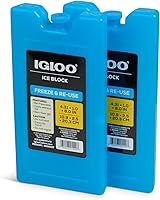
Ice fills open spaces and can surround food containers. Packs are easier to lift out without pouring water.
Slim packs can fit alongside food or drinks. The Cool Coolers XL Slim Ice Packs come as a set of 4, each measuring 4.75 x 0.5 x 7 in.
They suit lunch bags, soft coolers, and other loads where bulky blocks would take up useful space. Skip them if your main need is to fill a large cooler's open spaces with loose ice.
Choose enough cold sources for your load, and chill the food before packing. Compare the tradeoffs in ice packs vs. ice in a cooler.
How to pack a cooler with ice packs
Use packs beside containers and around the edges when you want reusable cold sources that are easy to remove. Freeze them fully before the trip and hand-wash them after use.
Their slim shape can fit in narrow spaces that a block can't, but packs don't fill every gap as easily as loose ice. If your cooler is nearly empty, arrange food and packs close together instead of leaving large pockets of air.
How do you keep food dry as ice melts?
Raise dry goods above meltwater in a basket or net, and seal food that could leak. Water can collect at the bottom as ice melts, so plan where you want dry items to sit.
A raised basket is useful for sandwiches, napkins, and lunch supplies that shouldn't rest in water. The YETI Tundra Dry-Goods Basket is made of black coated steel wire and fits select Tundra models.
Match the basket to your Tundra model, and skip it if you have a Tundra Haul.
A storage net holds small dry items against the cooler wall and works with or without a basket. The Cooler Dry-Storage Net stretches from 9 5/8 x 14 in to about 9 5/8 x 19 in, and its hook-and-loop fastener lets you remove it for washing.
Choose the net for napkins, utensils, or other compact items you want within reach. Skip it if you need a flat, raised surface for larger food containers.
Neither accessory replaces sealed containers or cold sources.
See cooler accessories worth buying for other ways to keep a packed cooler organized.
How to pack a cooler to keep food dry
Separate wet and dry items before loading: put food in sealed containers, then raise the items that must stay dry. A basket gives you a shelf; a net holds smaller items against the wall.
Don't rely on a raised layer to contain raw meat juices. Seal raw meat in a leakproof container and keep it away from ready-to-eat food, even when both are above the cooler floor.
How should you arrange different foods?
Keep raw meat sealed and separate from ready-to-eat food. Put heavier containers lower down, and protect delicate foods from being crushed.
Arrange the cooler by meal or by when you'll use each item. Put later meals near the bottom and snacks or lunch items closer to the top.
Keep food in its original sealed package when practical, or use clean containers.
A separate drink cooler can make the main food cooler easier to manage. It gives people access to beverages without repeatedly moving food or opening the main lid.
How full should a cooler be?
Fill spare space with cold sources or sealed containers, but leave room for the lid to close fully. A cooler with less open air has less room for warm air to circulate each time it opens.
Don't force the lid shut against an overpacked load. Leave the drain and any divider clear so you can use them as intended.
If the cooler can't fit the food and cold sources without a strained closure, use a second cooler.
The right size depends on your group and trip. How to choose a cooler for a road trip covers space, access, and carrying needs.
How can you keep a cooler cold during the trip?
Keep the lid shut and store the cooler in shade. Avoid leaving it in a hot vehicle, and return food promptly after serving.
Pack the items you need first near the top, so you can find them quickly. If people will reach for drinks often, use a separate cooler for beverages and keep the food cooler closed.
For a closer look at ice retention, read which cooler keeps ice the longest. The cooler's design matters, and so do the way you pack it and how often you open it.
What are common cooler-packing mistakes?
The most common mistakes are loading warm food, leaving large gaps, and letting dry items sit in meltwater. A little sorting before the trip prevents unnecessary searching and handling.
Avoid these habits:
- Loading food that hasn't been chilled.
- Putting unsealed raw meat beside ready-to-eat food.
- Leaving dry items at the bottom without protection.
- Opening the cooler repeatedly to find food.
- Leaving the cooler in direct sun or a warm vehicle.
- Packing so tightly that the lid can't close fully.
Use a basket or net when dry goods need to stay above meltwater. Choose slim packs when you want reusable cold sources beside containers; choose ice when filling spaces and managing meltwater suit your trip.
Which cooler-packing setup should you choose?
Choose the setup that fits your food, space, and cleanup needs. For everyday lunches or a compact soft cooler, slim packs fit beside containers and are easy to remove.
For a large load with gaps, ice can fill the space around food. For dry sandwiches and supplies, use a basket if your cooler is a compatible Tundra model, or a net for smaller items that can sit against the wall.
Skip both if everything is sealed and you don't need a separate dry layer.
Pack cold food with cold sources, keep raw meat sealed and separate, and raise dry goods above meltwater. For help deciding which add-ons make sense, see cooler accessories worth buying.
Frequently asked questions
Should food go on top or bottom in a cooler?
Put a cold source at the bottom, then layer in food and add more ice or cold packs around it and on top. Keep items you need first near the top, and keep dry goods above meltwater in a basket or net.
Separate raw meat in sealed containers.
Is it better to use ice or ice packs in a cooler?
Either can help keep food cold when the cooler and food start cold and the lid stays shut. Ice can fill gaps around containers, while packs are easier to lift out without pouring water.
Choose based on the cooler, trip length, and how you want to manage meltwater.
How do you keep food from getting soggy in a cooler?
Keep food in sealed containers or bags, and place items that must stay dry above meltwater in a basket or storage net. Drain excess water when practical, but keep the cooler closed as much as you can.
Separate raw meat so its juices can't reach ready-to-eat food.
Do you need to prechill a cooler before packing it?
Prechilling can reduce the heat inside a warm cooler before food goes in. Use ice or frozen packs to cool it, then remove any meltwater and load cold food with fresh cold sources.
Keep the cooler out of direct sun during packing.