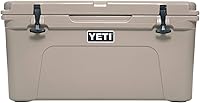
YETI Tundra 45 vs 65: Which Is Better? (October 2026)
For yeti tundra 45 vs 65, choose the 45 for a smaller load and easier handling, or the 65 when you need more room. The 45 holds 45 qt and weighs 23 lb empty; the 65 holds 65 qt and weighs 29 lb empty.
On this page (11 sections)
- YETI Tundra 45 vs 65: what is the difference?
- How much more can the Tundra 65 hold?
- Which cooler is easier to carry and store?
- Do both Tundra coolers have the same insulation?
- How should you set up and use a Tundra cooler?
- What mistakes should you avoid when choosing between the 45 and 65?
- Which size makes more sense for a road trip?
- Is the Tundra 45 or 65 the better fit for camping and fishing?
- Who should buy the Tundra 45 or skip it?
- Who should buy the Tundra 65 or skip it?
- Which YETI Tundra should you choose?
For yeti tundra 45 vs 65, choose the 45 for a smaller load and easier handling, or the 65 when you need more room for food and drinks. The 45 holds 45 qt and weighs 23 lb empty; the 65 holds 65 qt and weighs 29 lb empty.
The 65 gives you 20 qt more capacity, while the 45 is 6 lb lighter before packing. Your decision comes down to what you carry, how often you move the cooler, and where you can store it.
YETI Tundra 45 vs 65: what is the difference?
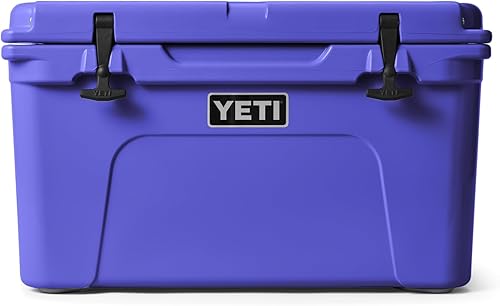
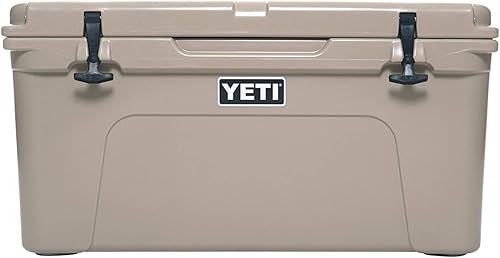
The Tundra 45 is smaller and lighter, while the Tundra 65 holds more. Both include a dry goods basket and are built with up to 3 in of PermaFrost Insulation and an extra-thick FatWall design.
The 45 measures 25.5 x 16 x 15.5 in. The 65 measures 30.5 x 17.5 x 16 in, so it takes up more space in a vehicle, garage or campsite.
Both empty weights matter before you add food, drinks and ice. Think about the full trip from storage to vehicle to destination, not just the cooler’s spot once you arrive.
The 45's molded tie-down slots accept straps or rope, useful when securing it in a truck bed or on a boat deck. Don’t assume the 65 has the same feature; confirm the setup you need before relying on tie-down points.
How much more can the Tundra 65 hold?
The Tundra 65 provides 20 qt more capacity than the 45. That extra space can help when you need to carry more food and drinks together or keep a larger fishing or picnic load in one cooler.
The 45 holds 26 cans at a 2:1 ice ratio, 54 cans without ice, or 37 lb of ice alone. These figures describe separate packing setups, so the no-ice can count does not tell you how many cans will fit with ice.
There is no matching can count for the 65 in the product details. Compare the quart capacities and plan around your containers instead of applying the 45’s can count to the larger model.
The 45 has an interior height of 10.7 in. Measure bottles or containers that need to stand upright, and leave space for ice and the dry goods basket.
How to estimate your load for the Tundra 45 or 65
Estimate the space you need by listing your food, drinks, ice and any containers that must stay upright. This gives you a more useful starting point than choosing by group size alone.
For a fishing weekend, count the supplies you’ll bring and the room you need for the catch. For a tailgate or picnic, think through drinks and meal containers that need to stay cold at the same time.
If you often struggle to fit your usual load, the 65’s extra capacity can be useful. If your list fits comfortably in the smaller cooler and you value easier storage and handling, the 45 is the better match.
Don’t fill every inch on paper and forget the ice. The space needed for chilling takes room away from food and drinks, so plan for the actual packed setup rather than the cooler’s full quart figure.
Which cooler is easier to carry and store?
The Tundra 45 is lighter and has a smaller footprint, making it the more practical choice for tighter storage and frequent moves. It still weighs 23 lb before you add anything.
The 65 is 5 in longer and 1.5 in wider than the 45, and its empty weight is 29 lb. Measure the place where you’ll store it, plus the path and vehicle opening it must pass through.
A loaded cooler weighs more than its empty weight. Decide whether you’ll lift it into a vehicle, carry it over uneven ground or move it from storage to a boat deck, and plan for help if the loaded weight is too much.
The 65 suits people who can keep it close to the vehicle or have a clear plan for moving it. Skip the larger size if you’ll regularly carry it far by yourself or have a tight trunk, storage closet or campsite.
Do both Tundra coolers have the same insulation?
Both models have up to 3 in of PermaFrost Insulation and an extra-thick FatWall design. The available product details don’t give a side-by-side ice-retention duration, so use and packing habits matter when you plan for a trip.
The 45 also has a freezer-style rubber gasket seal, a leakproof gasketed drain plug and a Vortex Drain System. Both models have T-Rex Lid Latches and include a dry goods basket.
Pre-chill the cooler, use a suitable ice-to-contents ratio, and limit lid openings to help keep contents cold longer. For a practical packing routine, see our guide on how to pack a cooler so food stays cold and dry.
Our guide to how long ice lasts in a cooler covers the conditions that affect ice life. Don’t assume the larger cooler automatically keeps ice longer simply because it holds more.
How should you set up and use a Tundra cooler?
Start with a clean, dry cooler, pre-chill it, then pack the items you’ll need in an order that limits lid openings. A little planning makes either size easier to use on a trip.
Separate items you’ll reach for often from food you want to keep undisturbed. Put snacks in the dry goods basket so they sit above meltwater, and arrange the rest of the load so you don’t have to search through everything each time you open the lid.
Choose the 45 when the basket and your planned load fit without crowding. Choose the 65 when you need more room to separate food and drinks or carry a larger load, while accounting for its greater size and weight.
The 45’s drain system can help empty water without tipping the cooler. Drain it where water can flow safely, and close the plug securely before refilling.
What mistakes should you avoid when choosing between the 45 and 65?
The biggest mistake is choosing by capacity alone without measuring the cooler’s footprint and planning how you’ll move it. The larger model’s extra space is useful only if it fits your vehicle, storage area and routine.
Don’t treat the 45’s can count as a direct capacity comparison with the 65. The 45’s figures distinguish between cans with ice, cans without ice and ice alone, while the 65 does not have a matching can figure here.
Don’t forget that the empty weight is only the starting point. Ice, food and drinks add load, so consider who will lift the cooler and how far it needs to travel.
Finally, don’t count on ice alone to determine how long contents stay cold. Pre-chilling, the ice-to-contents ratio and lid openings all affect results.
Which size makes more sense for a road trip?
Choose the size that fits your planned load and leaves room for the cooler in your vehicle. The 45 is easier to place and move; the 65 gives you more capacity if you can accommodate its larger body.
Measure the storage area and the opening the cooler must pass through. Leave space to reach it and open the lid, especially if it will ride behind seats or alongside luggage.
A larger cooler can suit one main load of food and drinks, but its size may be awkward if you take it in and out at every stop. A smaller cooler can work better when you bring a modest amount or need to move it often.
Our guide to choosing a cooler for a road trip walks through vehicle fit, trip length and packing needs. If rolling the cooler would suit your route better, compare the best coolers by type before choosing a hard-sided model.
Is the Tundra 45 or 65 the better fit for camping and fishing?
The 45 fits smaller loads and weighs less; the 65 suits larger loads when you have room for its bigger body. Both models are recommended for camping and fishing.
For a short outing or a small group, the 45 can carry food and drinks without taking up as much vehicle space. The dry goods basket keeps snacks above meltwater, and the 45’s tie-down slots are useful for securing it on a truck bed or boat deck.
For a larger group or a bigger load, the 65 gives you more capacity. Its empty weight and larger dimensions make it a better fit when you can place it near your destination or have a clear plan for moving it.
If you’re considering the 65, our YETI Tundra 65 review covers that size in more detail. For a smaller hard cooler in another YETI line, compare the YETI Roadie 15 and 24.
Who should buy the Tundra 45 or skip it?
Buy the Tundra 45 if your regular load fits its capacity and you want the smaller, lighter option. Skip it if you routinely need room for a larger group’s food and drinks or don’t want to manage tight packing.
The 45 makes sense for outings where its size fits the load and its dimensions fit your vehicle and storage area. It can also be the better option when you need to carry or move the cooler more often.
Consider another size if upright bottles exceed its 10.7 in interior height or if your usual supplies leave too little room for ice. Measure your containers and make a sample packing plan before deciding.
Who should buy the Tundra 65 or skip it?
Buy the Tundra 65 if the 45 would leave you short on space and you can manage the larger cooler. Skip it if you don’t need the extra 20 qt or its footprint and loaded weight will make regular use awkward.
The 65 is a stronger fit for larger food and drink loads, including group outings where keeping supplies together is useful. Its value depends on having enough vehicle and storage space, plus a practical way to move it.
If the 45 already fits your regular plans, the 65 may add bulk without solving a real problem. Write down what you’ll pack, measure the available space and account for the cooler’s empty weight before choosing.
Which YETI Tundra should you choose?
For yeti tundra 45 vs 65, pick the 45 if your usual load fits and you want a smaller cooler; pick the 65 if you need more room and can handle its larger body.
Measure the cooler’s parking space and vehicle opening, then plan for food, drinks and ice together. If you’re comparing brands as well as sizes, see our guide to the best cooler brands.
Frequently asked questions
What is the main difference between the YETI Tundra 45 and 65?
The Tundra 65 holds 65 qt, while the Tundra 45 holds 45 qt. The 65 is also larger and weighs 6 lb more empty, so choose based on whether you need that extra room and can manage the added size.
How many cans fit in a YETI Tundra 45?
The Tundra 45 is described as holding 26 cans with a 2:1 ice ratio, or 54 cans without ice. Those are different packing setups, so use the ice-ratio figure if you need room to chill drinks.
Is the Tundra 65 too heavy for one person?
The Tundra 65 weighs 29 lb empty, before adding ice, food or drinks. Whether one person can move it depends on the loaded weight, distance and lifting conditions, so plan how you'll load and carry it before choosing the larger cooler.
Do the Tundra 45 and 65 have the same insulation?
Both are described with up to 3 in of PermaFrost Insulation and an extra-thick FatWall design. Ice life also depends on packing and use, including pre-chilling, the ice-to-contents ratio and how often you open the lid.
Which Tundra should I choose for camping?
Choose the 45 if its 45 qt capacity suits your food and drink load and you want the lighter cooler. Choose the 65 for 20 qt more room when its larger size and 29 lb empty weight fit your vehicle, storage spot and carrying plan.