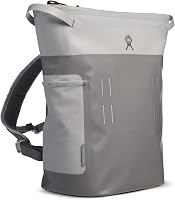
Best Coolers by Type: Hard, Wheeled, Soft and Backpack
The best cooler depends on what you carry and how you move it: choose a hard cooler for a rigid, roomy box, a wheeled cooler for heavy loads, a soft cooler for flexible carrying, or a backpack cooler for hands-free trips.
On this page (8 sections)
- Which cooler type is best for your plans?
- When is a hard cooler the right choice?
- When does a wheeled cooler make more sense?
- When should you choose a soft cooler?
- Is a backpack cooler better for a walking trip?
- How do you compare cooler size and carrying effort?
- How should you choose between ice and ice packs?
- Which cooler should you choose?
The best cooler depends on what you carry and how you move it. A hard cooler gives you a rigid box, wheels help move a heavier load, soft coolers are easier to carry and store, and backpack coolers keep your hands free.
Start with your trip: how many people need food and drinks, how far the cooler must travel, and whether you have room to store it between outings. Those answers narrow the type before you compare models.
Our guide to how long ice lasts in a cooler explains why cooler type, packing and conditions all matter. Below, compare the main types and see what each one asks you to trade.
Which cooler type is best for your plans?
The best cooler type is the one that matches your load, route and carrying method. Use this quick comparison to decide where to start.
| Type | Good fit when you need | Trade-off to consider |
|---|---|---|
| Hard cooler | A rigid container and space for group food or drinks | A filled cooler can be heavy to lift |
| Wheeled cooler | To move a larger load without carrying it the whole way | Wheels and handles add bulk |
| Soft cooler | A flexible bag you can carry and store more easily | Capacity and structure vary by design |
| Backpack cooler | Hands-free carrying on foot | A loaded pack still weighs what you put in it |
A cooler's category alone does not tell you how much it holds or how easy it is to manage. Compare capacity, weight, outside dimensions, handles, straps and wheels for the model you are considering.
What should you check before choosing a cooler?
Check capacity, loaded carrying effort and access before comparing extras. A cooler that fits your drinks but is hard to move can be a poor match for the trip.
Estimate your food and drink load, then plan room for ice or ice packs. For packing tips that help keep items organized, see how to pack a cooler.
Also measure the storage area and the route from your car to the destination. A long handle can help with pulling, while a backpack may be easier on a walking route; stairs and narrow paths can make either choice less convenient.
When is a hard cooler the right choice?
A hard cooler is a good fit when you need a rigid container for a larger group load. Its box shape can be useful for stacking food and drinks, and some models have a lid that can serve another purpose.
Hard coolers come in different sizes and weights. A smaller model may be manageable for one person, while a larger one can become difficult to lift when loaded.
For example, the RTIC 45 Ultra-Tough is a 45 qt hard cooler that fits up to 60 cans. It weighs 21.1 lb empty, so consider who will lift it and how far it needs to travel.
Its built-in bottle opener and lid cargo net add storage and serving convenience. RTIC describes the cooler as designed for impact resistance and long-lasting ice retention.
Choose a hard cooler for a defined group load and a practical lifting plan. If your trip involves a long walk from parking, consider wheels or a soft cooler instead.
When does a wheeled cooler make more sense?
A wheeled cooler makes sense when you need to move more than you want to carry. Choose based on the terrain between your vehicle and destination, since wheels that help on one path may not suit another.
The Coleman Xtreme Rolling Cooler is a 50 qt hard cooler that holds up to 84 cans. Its double-wall insulated lid and body help keep ice frozen for up to 5 days in temperatures as high as 90°F.
Its rugged all-terrain wheels are designed for sand, gravel and grass. It also has a leak-resistant drain, and its heavy-duty lid supports up to 250 lb.
The Igloo Trailmate Journey 70 has a 70 qt capacity and room for up to 112 cans. Its 10 in wheels are designed for sand and other challenging terrain, and its telescoping handle includes a removable serving tray.
Pick wheels for a heavy load and a route that suits them. Check the cooler’s outside dimensions and the storage space at home, because a wheeled model can take up more room than a compact carry option.
For more on rolling soft models, compare our best soft coolers with wheels. If you plan a drive with stops, our road trip cooler guide covers trip-specific choices.
When should you choose a soft cooler?
Choose a soft cooler when you want a bag-style cooler that you can carry and store more easily. Check the size and carrying method: a soft cooler may be carried by a shoulder strap or handle, while a backpack style distributes the load across your shoulders.
Soft coolers vary in capacity, insulation and closure design. Don’t assume every soft model is leakproof or offers the same cold-holding performance; check the features for the specific cooler you’re considering.
The YETI Hopper Flip 12 is a compact soft cooler with space for up to 12 cans plus ice. It weighs 3.1 lb empty and has a leakproof HydroLok zipper.
Choose a soft cooler for a smaller load you expect to carry by hand. If you’ll be walking farther and want your hands free, compare backpack models in our best backpack coolers guide.
Is a backpack cooler better for a walking trip?
A backpack cooler can be better for a walking trip when hands-free carrying matters more than quick access. It keeps your hands available, but the packed weight rests on your back.
Check the strap design, empty weight, capacity and opening style. Add the weight of drinks, food and ice to the empty weight when deciding how much you can comfortably carry.
A backpack can suit a beach walk, hike or event where you cannot roll a cooler along the route. For a short path from the car, a handled soft cooler may be quicker to load and reach into.
Choose a backpack when the route makes carrying easier than rolling. If the load is large, split it between people or use a wheeled cooler where the path allows it.
How do you compare cooler size and carrying effort?
Compare capacity and outside dimensions alongside empty weight. Capacity suggests how much space you have, but the filled weight and shape affect whether you can lift, pull or carry it.
| Cooler | Type | Capacity or load note | Empty weight |
|---|---|---|---|
| Coleman Xtreme Rolling Cooler | Wheeled hard | 50 qt; up to 84 cans | 12.7 lb |
| RTIC 45 Ultra-Tough | Hard | 45 qt; up to 60 cans | 21.1 lb |
| Igloo Trailmate Journey 70 | Wheeled hard | 70 qt; up to 112 cans | 34.7 lb |
| YETI Hopper Flip 12 | Soft | Up to 12 cans plus ice | 3.1 lb |
These examples show why capacity alone is not enough. The Igloo offers the largest stated capacity here and weighs the most empty, while the YETI is much smaller and lighter before you pack it.
Treat can counts as rough planning aids. Food shape, ice and packaging all affect how much fits, so use your own typical load to judge whether a cooler has enough usable room.
What features matter besides capacity?
Look for features that solve a problem on your trip. A drain can ease cleanup, wheels can help on a suitable route, and a removable tray can provide a serving surface.
For a hard cooler, consider how you will lift it, drain meltwater and reach the contents. For a wheeled model, check wheel size, handle style and clearance in your vehicle.
For a soft or backpack cooler, consider how it opens and whether you can keep items organized. Our cooler accessories guide covers add-ons such as baskets, locks and wheels.
How should you choose between ice and ice packs?
Choose ice or ice packs based on how you pack and what you need to keep cold. Either choice takes up room, so include it when estimating the space for food and drinks.
Ice packs can be easier to manage if you want to avoid loose meltwater. Loose ice can fill gaps around items, but it adds water as it melts.
Read our ice packs vs ice guide to compare the trade-offs. No cooler type alone guarantees a set amount of ice life; the load, packing and conditions affect the result.
Which cooler should you choose?
Choose a hard cooler when you need a rigid box for a group load and have a plan for lifting it. Pick a wheeled model when its wheels and handle suit the ground you’ll cross.
Choose a soft cooler for a smaller hand-carried load, or a backpack when walking hands-free matters. For the next step, compare how long ice lasts in hard, soft and wheeled coolers and match your cooler to the trip.
Frequently asked questions
What type of cooler is best for most people?
A wheeled hard cooler suits many group outings if you need substantial space and can roll it from the car to the gathering. Choose a stationary hard cooler when you can lift it with help, or a soft or backpack cooler when you carry a smaller load on foot.
Are hard coolers better than soft coolers?
Hard coolers offer a rigid box and often more room for group food and drinks; soft coolers can be easier to carry and store when empty. Neither type fits every trip, so compare capacity, carrying distance, access and how you plan to pack.
Should I get a wheeled cooler?
Choose a wheeled cooler when you expect to move a heavy load across ground that its wheels can handle. Check the route, wheel design and handle before buying, because wheels add bulk and may not help on stairs, narrow paths or rough terrain.
Is a backpack cooler worth it?
A backpack cooler can be useful when you need both hands free and will carry a moderate load on foot. Compare its capacity, empty weight, straps and opening style, then account for the added weight of food, drinks and ice.
How do I choose a cooler size?
Start with the food and drinks you need to carry at one time, then leave room for ice and easy access. Compare usable capacity and outside dimensions, and consider whether you can lift or roll the cooler when loaded.