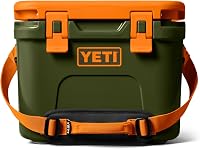
How to Choose the Best Cooler for a Road Trip
The best cooler for a road trip fits your vehicle, holds the food and drinks you need, and is easy to reach or move at stops. Choose a compact hard cooler for a small load, a soft cooler for flexible carry, or a rolling model for a larger load.
On this page (10 sections)
- What should you look for in the best cooler for a road trip?
- How much cooler capacity do you need?
- Which cooler shape fits your vehicle?
- Is a hard or soft cooler better for a road trip?
- When do wheels help on a road trip cooler?
- How long should a road trip cooler keep food cold?
- How should you set up and pack a cooler for the drive?
- How do you care for a cooler after the trip?
- What road trip cooler mistakes should you avoid?
- Which cooler should you choose for your road trip?
The best cooler for a road trip fits your vehicle, carries enough food and drinks for the people traveling, and suits the way you’ll use it at stops. Start with the space you have, then compare capacity, carry style and how long you need the contents to stay cold.
A narrow hard cooler may fit beside a seat or in a footwell, while a soft cooler can work around other cargo. A rolling cooler makes more sense when you have a large load and expect to pull it after parking.
For a wider look at cooler shapes, see our best coolers by type guide.
What should you look for in the best cooler for a road trip?
Choose by vehicle fit, usable capacity, carry style and time between restocks. The best match is the one you can load, secure and access without making the drive awkward.
Measure the space where the cooler will ride, including the height below a cargo cover and the width between seats or bags. Check the cooler’s outside measurements, how its lid opens and whether you can remove it without shifting the rest of your luggage.
| Road trip need | Feature to compare | Why it matters |
|---|---|---|
| A tight car interior | Outside dimensions and slim shape | Helps the cooler fit a footwell or narrow cargo space |
| One person’s lunch | Compact capacity and an easy handle | Keeps the load small and simple to carry |
| Several travelers | Room for food, drinks and ice | Reduces the need to split supplies across containers |
| Stops far from the car | Wheels or a shoulder strap | Makes transport easier after parking |
| Frequent drink breaks | Easy access and a secure place in the car | Lets a passenger get what’s needed without shifting luggage |
| A long stretch between stores | Cold-time guidance and a packing plan | Helps you plan ice and limit lid openings |
Think about access while driving, too. Keep anything you’ll need on the road where a passenger can reach it, and secure the cooler so it cannot slide or tip during a turn or stop.
How much cooler capacity do you need?
Pick capacity by the number of travelers, trip length and what you plan to eat. Count drinks and meals first, then allow room for ice or packs.
A personal cooler can suit one person’s lunch and drinks. A medium cooler gives a couple or small group more room, while a larger cooler can carry supplies for a family outing or a stay at a campsite.
Capacity alone does not show how your actual food will fit. Cans, tall bottles, containers and ice take space in different ways, so compare the inside dimensions with the items you plan to pack.
If a compact cooler suits your usual trips, compare more options in our best small coolers guide. For outings near the water, see our best beach coolers.
How do you estimate the cooler load for a road trip?
Make a list of the food and drinks each traveler needs for the drive and the time at your destination. Separate what you’ll use in the car from supplies that can stay packed until you arrive.
Plan for ice or ice packs before choosing a size. If you want food to stay dry, use sealed containers or bags and keep them separate from loose ice.
Choose a little more capacity when you’re packing for several people or carrying bulky containers. A tightly packed cooler can be hard to organize, and searching for one item may keep the lid open longer.
Which cooler shape fits your vehicle?
Choose a shape that fits the available space and stays accessible once the car is packed. A narrow hard cooler can fit where a wide box cannot, while a soft cooler may tuck beside irregular luggage.
Measure the height, width and depth of the spot where it will sit. Account for the lid opening and the room needed to lift or carry the cooler out at your destination.
The RTIC 16 Road Trip is about 15.4 in wide, 8.1 in deep and 13.8 in high. It holds up to 20 cans or 2 upright wine bottles, and RTIC describes its cold time as 1–2 days.
Its slim shape and convertible handle suit a narrow cargo space and a short walk from the vehicle. Skip it if you need a large family cooler or want wheels to move a heavy load across a campsite.
Check the interior dimensions if you plan to carry tall bottles or food containers. The outside size may fit the car, but the usable space inside still needs to match your packing plan.
The YETI Hopper Flip 12 offers a soft-sided option with a wide opening and shoulder strap. It holds up to 12 cans plus ice, so it suits a compact load that you’ll carry by hand.
Choose the Hopper Flip when a soft cooler and shoulder carry suit the space and walk at your destination. Skip it if you need a rigid box for stacking or a larger capacity for several travelers.
Is a hard or soft cooler better for a road trip?
A hard cooler suits fixed, box-shaped storage, while a soft cooler suits flexible packing and shoulder carry. Choose based on where it rides and how far you’ll carry it after parking.
Hard coolers keep a consistent shape around bags and containers. Their form can make it easier to plan the cargo area, but the size does not compress when the cooler is empty.
Soft coolers can be easier to carry by hand and may fit around other luggage. Check the shape when full, since food and ice can make a soft cooler harder to tuck into a tight space.
For a small personal load, the RTIC 8 Road Trip Personal Cooler has an 8 qt capacity and a recessed handle. RTIC says it holds up to 12 cans and can keep contents cold for up to 40 hours when its cooling tips are followed.
At about 11.7 in wide, 8.1 in deep and 10.8 in high, it is smaller than the RTIC 16 Road Trip. Choose it for one person’s lunch or a few drinks, and skip it if your group needs space for several meals.
The lid has a built-in cargo net for dry goods, and the cooler has non-skid feet. Those details suit a small, organized load, but they do not add room for bulky food containers.
When do wheels help on a road trip cooler?
Wheels help when you’ll pull a loaded cooler across a parking area, campground or picnic ground. They add size and are less useful if you’ll lift the cooler often or have very limited cargo space.
A rolling model can carry a larger load without requiring you to hold its full weight. The Coleman Xtreme Rolling Cooler holds up to 84 cans, has rugged wheels and a retractable telescoping handle.
Coleman says its double-wall insulated lid and body help keep ice frozen for up to 5 days in temperatures as high as 90°F. The lid supports up to 250 lb, which can make it useful as an extra seat at a stop.
At about 22.6 in deep, 17.6 in wide and 17.5 in high, it needs more cargo space than the compact picks. Choose it for a large load and a destination where wheels help; skip it for a short drive with only a few items or a packed vehicle.
Before choosing wheels, consider the route from the car to your stop. A pull handle can help on a parking lot or campsite path, but tight turns, steps and uneven ground can still make a large cooler awkward to move.
How long should a road trip cooler keep food cold?
Choose a cooler and packing plan that cover the time between restocking, and use cold-time figures as planning guidance. Heat, direct sun, frequent lid openings and the way you pack can all affect how long contents stay cold.
RTIC describes the 16 qt Road Trip Cooler as keeping drinks icy and food fresh for 1–2 days. For the 8 qt personal cooler, RTIC gives a cold-retention figure of up to 40 hours when its cooling tips are followed.
Coleman says the Xtreme Rolling Cooler can keep ice frozen for up to 5 days under stated conditions. These figures come with different conditions, so match them to your schedule and packing habits rather than treating them as a guarantee.
For more on the factors that affect ice time, read how long ice lasts in a cooler. Our cooler packing guide covers food placement, ice and access.
How should you set up and pack a cooler for the drive?
Pack cold food and drinks with ice or ice packs, then keep the lid closed as much as possible. Put items you’ll use during the drive near the top.
Pre-chill the cooler and its contents when practical. Use sealed containers to keep food separate from meltwater, and group items by when you’ll need them so you don’t have to unpack the whole cooler at a stop.
Place the cooler where it stays secure and does not block the driver’s view, seat belts or controls. Keep snacks and drinks easy for a passenger to reach, rather than relying on the driver to open or search the cooler while moving.
At stops, avoid leaving the cooler in direct sun. If you expect to open it often, keep frequently used drinks separate from food you want to keep cold longer.
For help choosing between frozen packs and loose ice, read ice packs vs. ice in a cooler. The right choice depends on whether you need food to stay dry and how often you plan to open the lid.
How do you care for a cooler after the trip?
Empty the cooler soon after you get home, remove leftover ice or water, and clean it according to its care instructions. The RTIC coolers call for hand washing, and YETI recommends mild soap and water followed by air drying for the Hopper Flip 12.
Let the cooler dry fully before storing it in a cool, dry place. This helps prevent stale smells from lingering between trips.
For a rolling model, drain it before lifting or putting it away. Coleman’s Xtreme has a built-in drain so you can remove melted ice without tipping the cooler.
What road trip cooler mistakes should you avoid?
The most common mistakes are buying by capacity alone, forgetting the car measurements and opening the cooler too often. A quick check before packing can prevent a poor fit and reduce wasted cold time.
- Ignoring outside dimensions: Measure the cargo space and compare it with the cooler, including room for the lid to open.
- Forgetting ice takes space: Count ice or packs as part of the load, not as extra capacity.
- Packing warm food: Chill food and drinks first when practical so the cooler doesn’t have to cool them from room temperature.
- Choosing wheels for every trip: Wheels help at a distant stop, but a wheeled cooler takes more car space and still needs to fit through the route.
- Putting everything you need at the bottom: Keep drive-time snacks and drinks accessible to a passenger.
- Leaving the cooler in the sun: Move it into shade at stops when possible, and keep the lid closed between uses.
Which cooler should you choose for your road trip?
Choose the cooler that fits the vehicle first, then matches your load and the walk from the car. The RTIC 8 Road Trip Personal suits one person’s compact load, while the RTIC 16 Road Trip adds room in a slim hard shell.
Pick the YETI Hopper Flip 12 if you prefer a soft cooler with shoulder carry and a small can capacity. Choose the Coleman Xtreme Rolling Cooler for a much larger load that you can pull after parking, provided you have room for its larger shape.
Measure your cargo space, decide what you’ll pack and plan how the cooler will be accessed during the drive. For a wider comparison of cooler styles, start with our best coolers by type.
Frequently asked questions
What size cooler is best for a road trip?
Choose a cooler based on how many people it serves and how long it must hold food and drinks. A personal cooler can suit one person’s lunch, while a larger group may need a roomy rolling model.
Check both capacity and outside dimensions against your car space, and leave room for ice or packs.
Should I get a hard or soft cooler for a road trip?
Choose a hard cooler if you want a box shape that can sit on a seat or in a footwell. Choose a soft cooler if flexible storage and carrying matter more.
A hard cooler keeps a fixed shape around luggage, while a soft cooler may be easier to carry when you reach your stop.
Are wheels useful on a road trip cooler?
Wheels help when you need to move a large, loaded cooler across a campground, picnic area or parking lot. They add bulk, so measure your vehicle space and consider the ground at your destination before choosing a wheeled model.
How do I keep a road trip cooler cold?
Pre-chill the cooler when possible, pack cold food and drinks, use enough ice or ice packs, and keep the lid closed. Store it out of direct sun and avoid opening it at every stop.
Follow the cooler’s care and cooling guidance.
Where should I put a cooler in the car?
Place the cooler where it stays secure and does not block the driver’s view, controls or access to seat belts. Measure the space before loading, and keep food you need during the drive easy for a passenger to reach without distracting the driver.