What Temperature Should a Cooler Be At?
A cooler should stay at 40°F (4°C) or below for food safety, and drinks taste best when they sit near 35–40°F. Hold that range with enough ice or ice packs and keep the lid closed.
On this page (8 sections)
- What temperature should a cooler be at for food safety?
- How cold should a cooler be for drinks?
- How do you measure the temperature inside a cooler?
- Why does ice keep a cooler at the right temperature?
- Do ice packs hold a cooler at temperature better than loose ice?
- How do you keep a cooler in the safe range all day?
- When should you add ice or move food to a colder spot?
- What is the right cooler temperature for the trip home?
A cooler should stay at 40°F (4°C) or below for food safety, and drinks taste best when they sit near 35–40°F. Hold that range with enough ice or ice packs and keep the lid closed.
That number matters most when raw meat, dairy, or leftovers share the cooler. Once contents climb above 40°F, bacteria start multiplying fast.
The answer to what temperature should a cooler be at is simple: cold enough to keep food out of the danger zone from the first pack to the last serving.
What temperature should a cooler be at for food safety?
Keep food at 40°F (4°C) or colder, and keep it there for the whole trip. The USDA calls 40°F to 140°F the danger zone, because bacteria grow quickly in that band.
A cooler sitting at 45°F is already too warm for perishables. Below 40°F, growth slows sharply.
For frozen items, aim for 0°F or lower so they stay solid. An ice-filled cooler typically holds near 32°F while ice remains, which gives you a safe margin.
The moment you stop seeing ice, start checking. Once contents pass 40°F for more than 2 hours, discard perishable food rather than risk illness.
How cold should a cooler be for drinks?
Aim for 35–40°F for drinks, which is cold enough to taste crisp without freezing soda or beer. Drinks don't spoil the way food does, so the stakes are lower.
Still, warm cans lose their appeal fast. A drink-only cooler can run a little warmer without risk, but keeping it near 38°F means every can pours cold.
The trick is cold mass: pack drinks tight and top with ice. If you add warm cans straight from the shelf, expect the ice to melt faster and the whole cooler to warm.
Pre-chill drinks in the fridge overnight when you can. For a cooler that stays cold on long trips, see how long will ice last in a cooler for realistic timelines.
How do you measure the temperature inside a cooler?
Use a waterproof thermometer placed among the food, not resting on top of the ice. An instant-read or fridge thermometer works well.
Put it in the middle of the contents and close the lid for a few minutes. Read the number quickly so you don't let warm air in.
Aim for 40°F or lower. Repeat the check every few hours on hot days.
If you don't have a thermometer, look for ice. As long as solid ice covers most of the contents, the cooler is likely near freezing.
Once ice turns to slush and meltwater, temperatures are climbing. The Engel 13 Quart Drybox seals tightly enough to keep dust out, so it doubles as a clean spot for a thermometer and small items.
Its chamber measures 15 inches deep and 8.5 inches tall, so a thermometer and a few small containers sit well clear of the ice.
Why does ice keep a cooler at the right temperature?
Ice absorbs heat as it melts, and that keeps the air and food around it near 32°F. This is why a well-packed cooler with solid ice runs so cold.
The ice changes from solid to liquid at a steady temperature, pulling heat out of the contents. Once all the ice is gone, the cooler warms quickly.
That's why you want a 2:1 ratio of ice to contents. The Engel 13 Quart Drybox holds up to 15 cans at that 2:1 ratio and keeps ice for up to two days.
Its high-grade molded polystyrene foam insulation and hard plastic outer shell form a heat barrier that slows the melt. Pre-chilling the cooler and using large blocks rather than cubes slows it further.
Small cubes melt fast, so combine a block or frozen packs with loose ice for the best results.
Do ice packs hold a cooler at temperature better than loose ice?
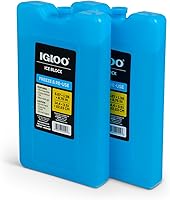
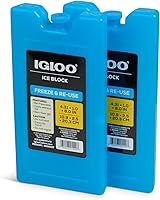
Ice packs hold cold longer per ounce and make less mess, so they suit trips where you open the lid often. A sealed pack doesn't dump meltwater over your sandwiches.
The YETI ICE Block works as an ice substitute or an addition to your ice stash, and its durable shell resists the tumbles of a day outdoors. Its custom shape reduces freezing time.
The Cool Coolers XL Slim Ice Packs are thin enough to slide beside bottles and meal containers. Made with BPA-free plastic and a break-resistant design, they rinse clean after use.
Pair packs with some loose ice when you need real cold depth. Compare the two approaches in ice packs vs ice in a cooler.
Which ice pack fits your cooler?
The YETI ICE Block measures 8 in long, 5 3/8 in wide, and 1 5/8 in high. It's one solid pack, so it works best in a mid-size or larger cooler where it can sit among the contents.
It suits overnight trips where you want steady cold without pooling water.
The Cool Coolers set includes 4 thin packs sized at 4.75 x 0.5 x 7 in. That slim shape fits soft coolers, lunch bags, and crowded corners.
It's the better pick for day trips and small coolers where space is tight. Compare more choices in best ice packs for coolers.
The Engel 13 Quart Drybox is the pick when you want cold plus protection. Its airtight gasket seal keeps meltwater and dust away from electronics and dry goods.
It's small, so it's best for a lunch run or a day trip rather than a full family outing. Add a cooler accessory or two to keep organized.
How do you keep a cooler in the safe range all day?
Start cold, pack full, and open the lid as little as possible. These three habits do more than any gadget.
Pre-chill the cooler with ice an hour before loading.
Pack contents tight and fill empty space with ice or frozen packs. Store the cooler in shade and keep it closed.
Drain meltwater each morning so ice sits against the food instead of floating in water. On very hot days, top up with fresh ice at lunch.
A full cooler stays colder than a half-empty one because there's less warm air to chill each time you open it. For extra tips, read our guide to cooler accessories that help hold temperature.
When should you add ice or move food to a colder spot?
Check the cooler every few hours, and act the moment ice runs low. Look for slush, warm drinks, or soft food.
If solid ice is mostly gone and contents feel cool but not cold, add more ice.
If a thermometer reads above 40°F, move perishables to another cooler or fridge right away. Don't wait to see if they cool down again.
Food held above 40°F for more than 2 hours should be thrown out. Pack a spare bag of ice on longer trips so a top-up is never a scramble.
For frozen goods, keep them below 0°F; if they thaw and stay above 40°F, use them or discard. The Engel 13 Quart Drybox ships with a heavy duty shoulder strap, so you can carry it to a second cooler or the fridge without juggling a full box.
What is the right cooler temperature for the trip home?
Hold 40°F or below until the food is back in the fridge. The drive home counts as part of the trip, so don't let the cooler sit warm in a hot car.
Keep the lid shut, park in shade, and check once more before unloading.
Once home, put perishables straight into the refrigerator. If the cooler did warm past 40°F for more than 2 hours, discard the risky items.
The rule for what temperature should a cooler be at doesn't change on the way home: stay cold until the food is safely stored. Wipe the cooler dry and leave the lid open to air out before its next trip.
With the right ice, packs, and packing habits, your cooler stays safely cold from the first load to the last.
Frequently asked questions
Is 45°F too warm for a cooler?
Yes, for perishable food. Bacteria grow fastest between 40°F and 140°F, so a cooler holding meat, dairy, or leftovers at 45°F is in the danger zone.
Add ice or ice packs, drain meltwater, and cool the contents before serving.
Does a full cooler hold temperature better?
Yes. A full cooler has less empty air to warm up each time you open the lid.
Pack food and drinks tight, and fill gaps with ice or frozen packs so cold mass does the work.
How long can food sit in a cooler at the right temperature?
Keep perishable food at 40°F or below and plan to use or return it to refrigeration within a few hours. Once food rises above 40°F for more than 2 hours, throw it away rather than risk illness.
Should I pre-chill a cooler before loading it?
Yes. Add a bag of ice or a few frozen packs an hour before you pack, then drain the meltwater.
A pre-chilled cooler starts near 40°F instead of room temperature, so your ice lasts longer.