How to Pick the Best Lightweight Cooler for Easy Carrying
The best lightweight cooler is one you can move comfortably when it’s loaded. Match its capacity and carry style to your route, then choose the smallest size that fits your food and drinks.
On this page (10 sections)
- How do you choose the best lightweight cooler for your route?
- How much weight can you comfortably carry?
- Which cooler suits your trip, and who should skip it?
- How much capacity do you need in a lightweight cooler?
- Do wheels or a strap make a cooler easier to carry?
- How can you set up and pack a lightweight cooler?
- How do you compare lightweight cooler claims?
- What mistakes make a lightweight cooler harder to move?
- How should you care for a lightweight cooler after a trip?
- What’s the clearest way to decide?
The best lightweight cooler is one you can move comfortably when it’s loaded. Match capacity and carry style to your route, then choose the smallest size that fits your food and drinks.
Empty weight is only a starting point. Ice, drinks and food add to the load, and the handle or wheels affect how that load feels along the way.
For a broader comparison of carry styles, see our guide to the best coolers by type. If the beach is your main destination, our best beach coolers guide covers options for that setting.
How do you choose the best lightweight cooler for your route?
Choose the best lightweight cooler by matching its loaded weight and carry style to the hardest part of your route. A cooler that rolls well across a parking lot may still need to be carried over steps, sand or gravel.
Start with the trip, not the advertised weight. Note how far you’ll travel from the car, what kind of ground you’ll cross, and how often you’ll lift the cooler.
| Carry style | Works well when | Check before choosing |
|---|---|---|
| Hand carry | The cooler is compact and the walk is short | Handle comfort, grip and loaded weight |
| Shoulder strap | You want your hands free for a short carry | Strap design, fit and total load |
| Backpack | The route is longer or includes steps | Fit, packed weight and access |
| Wheels and handle | The path is firm and fairly smooth | Steps, sand, gravel and car loading |
Wheels can reduce effort on pavement, but they don’t remove the need to lift a cooler into a vehicle. A shoulder strap frees your hands, but a heavy load can still pull on your shoulder.
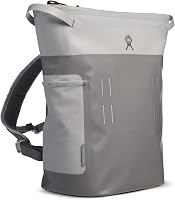
If you’ll carry the cooler over sand or uneven ground, plan for lifting instead of counting on wheels for the whole trip. For a hands-free option designed around carrying, compare our best backpack coolers.
How much weight can you comfortably carry?
Choose a cooler you can lift after adding the planned contents, because there’s no single empty-weight limit that works for every person or trip. Distance, grip, terrain and the number of lifts all affect what feels manageable.
Use the empty weight as your baseline. Add the drinks, food, ice and containers you expect to pack, then consider whether you’ll carry that load once or several times.
You can estimate the load by gathering similar items in a bag or container and lifting them along the route. This won’t match a cooler’s shape or handles, but it can show whether the planned contents already feel too heavy.
A short walk from the car to a picnic table is different from a long walk to a beach, followed by another lift when you leave. If the full trip seems demanding, pack fewer items, divide the load between people or choose a rolling option for the firm sections.
Don’t choose a large cooler just because its empty weight seems low. Capacity can encourage you to bring more, and the added contents may erase the carrying advantage.
Which cooler suits your trip, and who should skip it?
Each of these coolers fits a different carry problem: hard-sided capacity, a compact strap carry, wheels or room for a group. Choose by the features you’ll use, and skip any style that doesn’t fit your route.
Is the RTIC 32 Ultra-Light the best lightweight cooler for a hard-sided load?
The RTIC 32 qt Ultra-Light suits buyers who want a hard cooler with useful capacity and a lower empty weight than many larger hard-cooler options. RTIC says it is more than 30% lighter than rotomolded coolers of the same capacity.
It weighs 14.7 lb empty, holds up to 48 cans and can hold up to 30 lb of ice. The 2.5-inch closed-cell foam insulation is a notable feature for buyers who want an insulated hard cooler for beach trips, camping or day outings.
Skip it if you need a very light cooler for a long walk with a heavy load. The empty weight is only part of what you’ll carry, and a packed hard cooler can be awkward to move over stairs or sand.
Does the YETI Roadie 15 suit a compact carry?
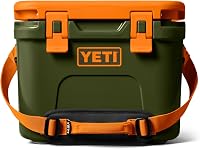
The YETI Roadie 15 suits buyers who want a compact hard cooler with a shoulder strap. Its DoubleDuty strap is designed for hands-free hauling or a comfortable grip, and the cooler fits most standard wine bottles and two-liter soda bottles on their sides.
Its stated capacity is 22 cans or 16 lb of ice, with each capacity listed separately. The non-slip feet are designed to help keep it from sliding on a boat or in a backseat.
Skip it if your main need is a large group cooler or a wheeled option. The strap helps with carrying, but it doesn’t make a loaded cooler feel weightless on a long walk.
When does a Coleman soft rolling cooler make sense?
The Coleman 42-Can Soft Rolling suits buyers who need to move a larger load along a firm path. Its 6.7 lb empty weight, wheels and telescoping handle can help with rolling from a car to a picnic area.
It has welded seams, a removable hard plastic liner, and zippered front and inside mesh pockets. Coleman says its TempLock insulation keeps drinks cold for more than 12 hours; actual results depend on conditions and how the cooler is packed and opened.
Skip it if your route is mostly sand, stairs or rough ground. You’ll need to lift it across those sections, and soft-sided construction may not suit buyers who want a hard shell.
Who should choose the Coleman Classic Hard Cooler?
The Coleman Classic suits group outings where capacity matters more than a compact carry. It weighs 11.4 lb empty, has swing-up handles and holds up to 100 cans.
The 70 qt cooler has cup holders molded into the lid and a stain-resistant liner. Coleman says its insulated lid and body can keep ice for up to 5 days in temperatures as high as 90°F.
Skip it if you’re shopping for a cooler that stays small when packed. Its large capacity can suit a group, but it also makes it easy to bring more than you need and end up with a heavier load.
How much capacity do you need in a lightweight cooler?
Choose the smallest capacity that fits your planned food, drinks and cooling supplies. Extra room can become extra weight once filled, while too little space may force you to carry another container.
Estimate the number of people, the length of the outing and the amount of food and drink you’ll bring. Then allow for ice or ice packs and any containers that take up room.
A few drinks and snacks for a short stop may fit in a compact cooler. A full-day outing with several people may call for more capacity, but check that you can move it once packed.
Capacity figures can use different units, such as quarts, cans or interior volume. They don’t describe the same packing arrangement, so check the interior dimensions when you need to fit a specific container or bottle.
Our best small coolers guide compares compact choices for buyers who want to limit how much they carry.
Do wheels or a strap make a cooler easier to carry?
Wheels help when you can roll the cooler over firm ground, while a strap helps you carry it with your hands free. Choose for the toughest section of the route, not the easiest one.
Wheels can save effort on sidewalks, parking lots and paved paths. They offer less help across sand, stairs or rough ground, where you may need to lift the cooler.
A shoulder strap can be useful for a short carry when your hands are occupied. It still puts the cooler’s load on your shoulder, so account for packed weight and distance.
If your route mixes smooth ground and stairs, you may roll for part of the way and lift for the rest. Check whether you can grip the cooler securely while stepping over obstacles.
How can you set up and pack a lightweight cooler?
Pack only what you need and balance the load before a long carry. A smaller amount of food, drinks and ice can make a bigger difference than choosing a cooler that saves a little empty weight.
Before leaving, check the route and decide who will carry or roll the cooler. Put the items you’ll reach for most near the top, and keep the load balanced so it’s easier to handle.
Use this quick packing check:
- List the food and drinks you need for the outing.
- Add ice or ice packs based on how long you’ll be out.
- Remove items you can carry separately or don’t need.
- Arrange heavier items so the cooler stays balanced.
- Lift or roll the packed cooler before setting out.
Ice packs may work well in some packing setups, but they add weight too. See our guide to the best ice packs for coolers if you’re deciding what to use.
Keep the cooler closed when you don’t need to reach inside. Organizing drinks and snacks before the trip can reduce unnecessary opening and repacking.
How do you compare lightweight cooler claims?
Compare empty weight, capacity and carry features together. A broad claim such as “lighter” is useful only when you know the cooler’s size and what it’s being compared with.
RTIC says the 32 qt Ultra-Light is more than 30% lighter than rotomolded coolers of the same capacity. That comparison applies to coolers of the same capacity, so it doesn’t mean the RTIC will weigh less than every cooler in another size or style.
Check whether a weight refers to the empty cooler or a loaded setup. A strap, handle or wheels can change how you move the load, but they don’t reduce the weight of the contents.
A product’s capacity also needs context. A cooler that fits more cans may be helpful for a group, but it may be more than you need for a short solo outing.
What mistakes make a lightweight cooler harder to move?
The most common mistake is choosing by empty weight alone. The full load and the ground you’ll cross determine whether the cooler feels manageable.
Avoid these common missteps:
- Buying more capacity than you need. A large cooler can lead to extra drinks and ice, adding weight.
- Assuming wheels work everywhere. Sand, stairs and gravel may require lifting.
- Forgetting the car lift. A cooler can roll to the parking spot and still be difficult to lift into a vehicle.
- Treating ice as weightless. Ice packs or loose ice add to the total load.
- Ignoring the route back. The cooler may be heavier or more awkward after the outing if you add leftovers or wet items.
- Choosing a carry style without trying the grip. Handles and straps affect how secure the load feels.
For a road trip, think about where the cooler will sit and how often you’ll need to reach it. Our road trip cooler guide covers those trade-offs.
How should you care for a lightweight cooler after a trip?
Clean the cooler after each use and let it dry before storing it. Care varies by construction, so follow the approach that suits the specific model.
The Coleman soft rolling model calls for hand washing the fabric and air drying it, while its removable plastic liner can be wiped with a damp cloth. Coleman also says the cooler doesn’t protect users against food-borne bacteria, so clean it thoroughly after each use.
For the RTIC 32 qt, the care instruction is hand washing. The YETI Roadie 15 calls for wiping with a damp cloth and then a dry cloth.
After cleaning, remove leftover food and cooling materials, check for moisture and let the cooler dry fully. Storing it dry helps avoid carrying odors into the next outing.
What’s the clearest way to decide?
Pick the RTIC 32 Ultra-Light if you want a 32 qt hard cooler and its 14.7 lb empty weight fits your carrying plan. Pick the YETI Roadie 15 for a compact hard cooler with a shoulder strap, or the Coleman soft rolling cooler when wheels work on your route.
For a larger group load, the Coleman Classic has room for up to 100 cans, but its size makes it a poor match for buyers who want a compact carry. Compare the capacity you’ll use with the load you can move.
The best lightweight cooler is the one that fits your route and packed load. Check both before you choose, then compare small cooler options if a compact size is the priority.
Frequently asked questions
What is the best lightweight cooler?
The best lightweight cooler depends on your load and route. The Coleman soft rolling model weighs 6.7 lb empty and suits firm paths, while the RTIC 32 qt hard cooler weighs 14.7 lb and offers more structured capacity.
Estimate the loaded weight before choosing.
Is a soft cooler lighter than a hard cooler?
A soft cooler can be lighter than a hard cooler, but compare the actual models and their capacities. The Coleman 42-Can Soft Rolling weighs 6.7 lb, while the RTIC 32 Ultra-Light weighs 14.7 lb.
The Coleman also has wheels and a telescoping handle.
How much does a cooler weigh when full?
The loaded weight depends on the cooler, its contents and the amount of ice. Add the empty cooler weight to the weight of the food, drinks and ice you plan to bring.
If the load would be uncomfortable, pack less or choose wheels where the route allows.
Are small coolers easier to carry?
Small coolers often hold less, which can make the packed load easier to lift. Shape, handles and empty weight still matter, so consider the full route, including stairs, sand or uneven ground, before deciding.
Should I choose a cooler with wheels?
Choose wheels when you’ll move a loaded cooler over ground where rolling is practical, such as a paved path. Wheels reduce some lifting, but you’ll still need to lift it into a car or carry it over sand and steps.