How to Control a Thermoelectric Cooler
To control a thermoelectric cooler, set its thermostat or dial, give it a steady 12V DC power supply, and keep the fan vents clear. Load pre-chilled items, leave space around the interior, and expect the temperature to hold within a set number of degrees below ambient.
On this page (8 sections)
- How does a thermoelectric cooler's control panel work?
- What temperature should you set on a thermoelectric cooler?
- Why does the power supply matter for controlling a Peltier cooler?
- How do you load a thermoelectric cooler for stable control?
- How do you keep the fan and vents clear?
- How do you switch between cold and warm modes?
- How do you manage condensation and frost from the controls?
- Which cooler controls and accessories are worth adding?
To control a thermoelectric cooler, set its thermostat or dial, feed it a steady 12V DC supply, and keep the fan vents clear. Load pre-chilled items and leave space inside so air can move.
This guide explains how to control a thermoelectric cooler so it holds a useful temperature instead of drifting. A thermoelectric cooler uses a Peltier module to move heat, so its controls set a target relative to room temperature.
The interior tracks ambient conditions and the power you feed it. Treat the dial or panel as the starting point, not the whole job.
How does a thermoelectric cooler's control panel work?
A thermoelectric cooler's controls set a cooling level or a target temperature, and some panels add a warm mode and a fan speed. The unit's Peltier module then pushes heat out of the box.
The simplest units have a rotary dial that runs from off to maximum cooling. Turn it clockwise to cool harder and counter-clockwise to ease off.
There's no exact number, so you learn the setting by watching a thermometer. Digital panels let you type a target in degrees and often switch between cold and warm.
Many also show the current interior reading. Use that display as a rough guide and confirm it with a separate thermometer.
A few models add Bluetooth or Wi-Fi and an app. Those controls mirror the panel, and the app matters most when the cooler sits in a vehicle or out of reach.
Basic 12V units skip the app and rely on the dial or buttons.
What temperature should you set on a thermoelectric cooler?
Set the cooler a few degrees below the temperature you need and expect the actual interior to run warmer than the target. Peltier cooling works best as a fixed offset below ambient, often 20–40°F cooler depending on the model.
For drinks and snacks on a day trip, a moderate setting is enough. For perishable food, aim to keep the interior at 40°F or below.
In a hot trunk the cooler may not reach that, so plan ice packs as backup. Watch the target after you change it, because small thermoelectric units cool slowly and settle over a couple of hours.
Nudging the dial every 10 minutes only confuses your reading. Keep the target steady once the interior is stable.
A constant setpoint uses less power than repeated changes and gives you a reliable number to compare against the ambient temperature.
Why does the power supply matter for controlling a Peltier cooler?
The power supply sets how hard the module can work, so match the voltage and current on the cooler's label. A 12V DC car socket is the usual source, and the unit draws several amps while cooling.
Use the cable that came with the cooler or one of the same gauge. A long, thin cable drops voltage, and the module cools less for the same dial setting.
Keep the run short and the plug seated firmly. Check that the socket stays powered when the engine is off.
Many vehicles cut the 12V outlet with the ignition, so the cooler stops cooling without warning. A dedicated always-on socket or a portable power station keeps it running.
If you run the cooler from a battery pack, size it for the cooler's draw over your trip. A pack that's too small sags in voltage and the unit warms up.
Confirm the pack's output matches the cooler's rating before you rely on it.
Which thermometer helps you read the setpoint?
The PECULA 2-pack suits readers who want a simple dial check without batteries. The analog gauges hang or stand inside the cooler so you can see the real interior temperature against your target.
Place one where you can read it without lifting the lid far, away from the cold plate. Give it time to settle after each change.
This pair is basic, so skip it if you want an alarm or a phone readout.
Who should choose a Bluetooth thermometer?
Choose a Bluetooth model if you want to watch the temperature from your phone while the cooler sits in a vehicle. The Govee unit pairs with an app and logs readings over time, so you can see how the setpoint behaves.
The app shows temperature and humidity and keeps a history you can review. That history helps when you adjust the dial and want to know whether the change worked.
It reads air temperature, not the cold plate, so place it in the open space. Skip it if your cooler already has a reliable display and you don't need remote checks.
A phone readout is a convenience, not a control upgrade for the cooler itself.
When does an infrared thermometer help?
An infrared thermometer helps when you want to check the cold plate and surface temperatures quickly without opening the cooler wide. Point it at the plate, the walls or a drink can to compare surfaces.
It reads surface temperature in a second, which is useful when you suspect the module is cooling but the air feels warm. Use it as a spot check and keep a dial or Bluetooth thermometer for the air reading.
Skip it if you only need one steady interior number.
How do you load a thermoelectric cooler for stable control?
Load pre-chilled items and leave gaps for air to move so the module isn't fighting warm food. A thermoelectric cooler removes heat slowly, so every warm item you add pushes the interior up.
Pack drinks and food that are already cold. Leave a little space between items and away from the fan and cold plate.
Don't stuff the box to the lid; blocked airflow keeps warm pockets in place. Put the most temperature-sensitive items near the cold side and keep the lid shut.
Every opening lets warm room air in and the unit has to recover. Group what you need so you open the cooler once.
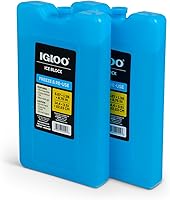
For perishables, add ice packs as a backup in hot conditions. Our guide to the best ice packs for coolers covers reusable options that fit small boxes.
How do you keep the fan and vents clear?
Clear the intake and exhaust vents so the module can dump heat. A thermoelectric cooler moves heat from inside to outside, and blocked vents trap it.
Keep the exterior vents off the floor, away from seat backs and clear of bags. Give a few inches of space on each vent side.
In a car, don't wedge the cooler against luggage or a door panel. Wipe dust and lint from the fan grille now and then.
A clogged fan spins slower and cools less at the same setting. Check the vents before each trip, since a blocked exhaust makes the interior climb.
If the fan stops or rattles, the cooler can't control temperature well. Turn it off and let it cool, then clear any obstruction.
Persistent fan noise points to a failing fan, not a control problem.
How do you switch between cold and warm modes?
Use the mode switch or panel to pick cold or warm, then give the unit time to change over. Reversing the current flips the Peltier module from cooling to heating.
Let the cooler reach room temperature before you switch modes. Going straight from cold to warm stresses the module and can fog the interior.
Empty it and dry any condensation first. Set the target again after the switch.
In warm mode the box holds heat above ambient, which suits keeping food warm on the road. Don't expect the same temperature range in both directions.
Check the panel light or icon to confirm the mode. If the unit doesn't change, unplug it, wait a minute, and try again.
A cooler that won't switch modes may have a panel fault.
How do you manage condensation and frost from the controls?
Expect condensation on the cold plate and drain it regularly. A thermoelectric cooler pulls moisture from the air, and the water collects at the bottom or on the plate.
Wipe the interior dry when you stop for the day. Leave the lid open briefly in a dry space to let it air out.
A small towel at the base soaks up the runoff before it reaches your cargo. Frost on the cold plate is normal in humid conditions.
Don't chip it with a tool; let it thaw with the cooler off. A thick frost layer blocks cooling and makes the setpoint less effective.
Keep the drain plug closed while the cooler runs and open it when you empty the box. For more on keeping contents cold, see how long will ice last in a cooler and how ice packs compare in ice packs vs ice in a cooler.
Which cooler controls and accessories are worth adding?
For anyone learning how to control a thermoelectric cooler, a thermometer and clear vents come first, then a reliable power supply. The dial or panel only works well when the unit gets steady power and airflow.
Pick the PECULA dials for a cheap, no-battery interior check. Choose the Govee Bluetooth unit if you want phone readings and a history while the cooler is out of reach.
The AstroAI infrared tool fits spot checks of the cold plate and surfaces. Skip extra gadgets if your cooler already shows the interior temperature and you open it rarely.
Add ice packs and keep the box shaded when the day is hot. Controlling the cooler is mostly about steady power, a sensible setpoint, and clear airflow.
Keep the cooler off hot surfaces and out of direct sun. After each trip, dry the interior and check the fan.
A small routine keeps the setpoint honest and the module working as intended.
Frequently asked questions
What power supply does a thermoelectric cooler need?
Most car units run on 12V DC from a cigarette-lighter socket and draw several amps while cooling. Match the voltage and current on the cooler's label, use a socket that stays powered, and keep the cord run short; a weak or long cable lowers cooling performance.
Does a thermoelectric cooler keep food cold?
It keeps pre-chilled food cool and holds a temperature a set number of degrees below ambient, but it is not a refrigerator. In a hot car it may struggle to stay food-safe.
Add ice packs for perishables and avoid opening the lid often.
How do you set a thermoelectric cooler for cold or warm mode?
Use the cold or warm switch or the digital panel to pick the mode, then set the target temperature if the cooler offers one. Give the unit time to settle after a change; small Peltier coolers respond slowly and the interior temperature lags behind the setting.
Can you control a thermoelectric cooler with a phone?
Only if the cooler has built-in Bluetooth or Wi-Fi and its own app. Basic 12V units have no app and are controlled by the dial or panel.
Pair a separate Bluetooth thermometer if you want to watch the interior temperature from your phone.