How to Insulate a Cooler
Insulate a cooler by adding a layer of rigid foam board to the walls and lid, sealing gaps with foil tape, and stopping air leaks around the lid. A reflective liner and a snug lid gasket add more, and the colder your ice starts, the longer the whole setup holds.
On this page (10 sections)
- Why does a standard cooler lose cold so fast?
- How do you insulate a hard cooler with foam board?
- Can you insulate a cooler from the inside instead?
- How do you stop air leaks around the lid?
- How does insulation change your ice plan?
- What else helps besides foam and a good seal?
- Which insulation approach fits your cooler?
- How do you keep a cooler cold without foam?
- Common insulation mistakes to avoid
- So how should you insulate your cooler?
Insulate a cooler by adding rigid foam board to the walls and lid, taping the seams, and closing every air leak around the lid. A reflective liner and a proper lid seal finish the job, and starting with cold ice and cold food is half the battle.
A plain plastic cooler loses cold air through thin walls, a loose lid and a warm spot in the sun. The fixes below cost little and take an afternoon.
They also work on a rolling cooler you already own instead of sending you shopping for a premium model.
Why does a standard cooler lose cold so fast?
A standard cooler loses cold through three paths: thin plastic walls, gaps at the lid, and warm air entering when you open it. Each one is fixable, and each fix is separate.
The wall is the biggest path. Rotomolded coolers use thick foam between an inner and outer shell.
A cheap cooler often has a thin foam layer or, on some models, just a hollow space. That means heat moves straight through the plastic and warms the ice from the outside in.
The lid matters just as much. A lid that flexes or sits unevenly lets warm air leak in around the rim.
Watch for a lid that rocks when closed or a rim you can see daylight through.
The third path is warm air from opening. Every peek costs cold.
A cooler that stays shut with a good seal holds ice much longer than one opened all afternoon.
How do you insulate a hard cooler with foam board?
Cut rigid foam board to the outside walls and lid, wrap it in place and seal the seams with foil tape. A 1/2 inch to 1 inch board is enough for a typical hard cooler, and foil-faced board also bounces sun off the outside.
Start by measuring the outside of the cooler, including the base. Cut panels for each side plus the lid.
A foil-faced polyiso or extruded polystyrene board works well, and a utility knife with a fresh blade cuts it cleanly.
Glue or tape the panels in place, then run foil tape over every joint. Tape matters more than thickness, because an open seam lets heat in right past the foam.
Do the lid last, so it still closes flat.
The foam stays on the outside, so the inside stays food-safe. Avoid foam that crumbles, since small beads can find their way into the cooler.
Can you insulate a cooler from the inside instead?
Yes, you can line the inside of a hard cooler with thin foam board or a reflective liner, but the outside wrap is usually better. Inside insulation takes up storage space and is easier to damage.
Inside insulation makes sense when the cooler has a flat interior and you mostly carry drinks. Cut thin panels to stand against the walls, leaving the drain clear.
A reflective bubble liner cut to fit the walls and floor is the easiest version and easy to remove for cleaning.
The trade-off is capacity. A 2 inch foam layer on all four walls plus the floor eats a real slice of a 50 quart cooler.
If ice storage is already tight, wrap the outside and leave the inside alone.
Never block the drain or the lid gasket with foam. Those are the two places where water and air need to move.
How do you stop air leaks around the lid?
Stop lid leaks by checking the gasket, leveling the lid, and adding a thin seal strip where the lid meets the rim. A tight lid keeps cold air where it belongs.
Close the cooler on a piece of paper and try to slide it out. If it pulls free with no drag, air is escaping there.
Repeat around the rim to find the loose spots.
Most lids just sit on the rim with no gasket. A strip of closed-cell foam weather seal or a soft silicone seal around the lid edge gives it something to press against.
Wipe the rim clean first so the adhesive holds.
Check the hinges and the latch. A warped lid that no longer sits flat needs straightening or a new seal, not more foam.
Small gaps around the drain plug also let air in, so check that plug sits snug.
How does insulation change your ice plan?
Better insulation makes your ice last longer, but the type and starting temperature of the ice still decide how long. Our comparison of ice packs vs ice in a cooler explains the trade-offs, and the short version is that ice cools harder while packs stay cleaner.
Block ice lasts longer than cubes because it has less surface area. A cold cooler helps too, so chill it before a trip by adding a bag of ice the night before.
Pack food cold, fill every gap and close the lid.
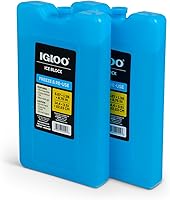
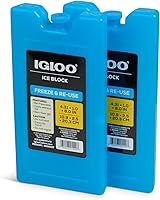
Once the walls are wrapped, the weak point becomes the ice itself. Four flat packs along the bottom of a large cooler give steady cooling without meltwater.
Thin packs fit down the sides of a smaller cooler where a big block won't go.
What else helps besides foam and a good seal?
Keep the cooler out of the sun, open it less, and add a reflective cover over the top. A shaded cooler with a closed lid beats a well-insulated one sitting in direct sun.
Park the cooler under a table, in the shade of the car, or under a light-colored blanket. A reflective emergency blanket draped over the top also cuts the sun's radiant heat.
Group cold drinks in one cooler and food in another, so meal prep doesn't warm the drink supply. A drain plug that stays closed keeps cold water in contact with the ice and food.
Loading order matters too. Put the coldest items at the bottom and fill empty space with ice or packs.
An air gap inside the cooler warms faster than a full one.
Which insulation approach fits your cooler?
For most hard coolers, wrap the outside in foil-faced foam and fix the lid seal first. That combination gives the biggest gain for the least effort, and it leaves the interior free for food.
Wrapping a large hard cooler
Measure the outside and buy enough foam board to cover the four sides and the lid. Tape every seam, then check the lid still closes flush.
A large cooler benefits most, because it has the most wall area losing cold.
Insulating a small cooler or lunch bag
A small cooler usually loses cold faster per quart, so a thick ice pack plus a reflective liner gives more return than foam. Slide the Cool Coolers XL Slim packs down the sides and lay one on top of the food.
Wrap the bag in a reflective cover and keep it out of the sun.
Insulating a soft cooler
Soft coolers can't take a rigid wrap. Instead, choose thick packs, keep the bag closed tight and store it in shade.
The YETI ICE Block suits a soft cooler that has room for a dense block next to the food. For more ideas on small extras, see our guide to cooler accessories that earn their space.
Getting the most from a thermoelectric cooler
A powered thermoelectric cooler needs steady airflow and a clean vent to work. Insulation helps, but the cooler's own control settings matter more.
If yours runs warm, read how to control a thermoelectric cooler before adding foam around the vents, because blocking airflow makes it worse.
How do you keep a cooler cold without foam?
Use cold packs, a reflective cover and shade, and skip foam entirely if you can't cut or fit board. This suits renters, small apartments and anyone who wants a quick fix.
Fill the cooler the night before with ice or frozen packs to chill the walls. A pre-chilled cooler holds ice noticeably longer than one loaded warm.
Empty the meltwater each morning and top up with fresh packs.
Keep a spare set of packs in the freezer and swap them at the start of each day. Our roundup of the best ice packs for coolers covers the sizes worth owning for this routine.
A thick towel over the lid also helps, and a light-colored one reflects sun.
When insulation matters more than weight, a hard cooler wrapped in foam wins. When you carry it by hand, cold packs plus a shade spot do more than any wrap you'd leave at home.
Common insulation mistakes to avoid
The most common mistakes are covering the vents, sealing the drain, and trapping warm air inside. Foam is easy to add, and easy to add badly.
Don't wrap a powered cooler's vent or fan. Don't block the drain, since trapped meltwater warms the whole load.
Don't foam over the lid gasket, or the lid won't close flat and you'll lose the seal you just built.
Don't load a warm cooler. Chill it first and pack cold food.
And don't leave the drain open or the lid cracked to "let it breathe"; a cooler holds cold better closed.
So how should you insulate your cooler?
For a hard cooler, wrap the walls and lid in foil-faced foam, tape the seams and fix the lid seal before anything else. For a soft cooler, thick ice packs plus a reflective cover and shade are the practical route.
Pick the approach that fits the cooler you already own.
If you want to keep the upgrade simple, choose the flat Large 13 x 10 Ice Packs for a big hard cooler, or the slim Cool Coolers XL packs for a small or soft one. The YETI ICE Block is the pick when you want one dense block that holds a long time.
Add cooler accessories like a reflective cover and a spare set of packs, and the same cooler will outlast a trip that once ended in a puddle.
Frequently asked questions
Does adding foam to a cooler actually keep ice longer?
Yes, if the foam goes between the ice and the warm outside air and you seal the gaps. Rigid foam board slows heat transfer through the walls, and a foil face also reflects radiant heat from the sun.
Can I insulate a soft cooler the same way?
No, soft coolers don't have a rigid wall to line from the outside. Improve one by adding a thick ice pack, wrapping the bag in a reflective blanket, and keeping it out of direct sun.
How thick should the insulation foam be?
Half-inch to 1-inch foam board is the usual choice for a cooler wrap. Thicker board insulates better, but it takes up more room and makes the lid harder to close, so measure the space around the cooler first.
Will a cooler with extra insulation still fit in my car?
It may not, because foam adds inches to the length and width. Measure the cooler plus the planned foam thickness against your trunk or truck bed opening before you cut anything.
How long does insulated cooler ice last?
There's no single number. A sealed cooler lined with foam, filled cold and kept in shade will hold ice far longer than the same cooler sitting in the sun with a leaky lid.