How to Keep a Cooler Cold Longer
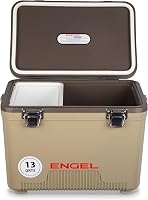
Chill the cooler and its contents first, then fill empty air with cold packs and keep the lid shut. A pre-cooled cooler in shade with less open space holds cold far longer than one loaded warm in the sun.
On this page (8 sections)
- Why does your cooler lose cold so fast?
- How do you pre-chill a cooler before a trip?
- Should you use ice packs or loose ice?
- How do you pack a cooler to hold cold longer?
- Where should you put the cooler at the campsite or beach?
- How often should you open the lid?
- What else helps ice last through a hot day?
- How do you keep a cooler cold longer on a multi-day trip?
To keep a cooler cold longer, start with a cold cooler, load it full of cold things, and stop opening the lid. Pre-chill the box, use solid cold packs instead of loose ice, fill empty space, and park it in shade.
Do those five things and a good cooler can hold ice well past the point where a casually packed one has turned to soup.
The method matters more than the brand. Most warm coolers fail because of warm contents, open air space and sun, not because the cooler itself is weak.
Work through the steps below in order and you'll notice the difference on the very next trip.
Why does your cooler lose cold so fast?
Heat gets in through four paths: the walls, the lid seal, the contents and the open air. Warm food and drinks carry heat straight into the box.
Loose ice melts fast and leaves water that warms quickly.
Empty air and sun-exposed plastic all push the temperature up.
The single biggest mistake is loading a room-temperature cooler with warm drinks. That ice spends its first hours cooling the plastic and the soda instead of keeping your food safe.
Pre-chilling removes that load, and the same ice then lasts noticeably longer.
The lid is the other quiet thief. Every opening dumps cold air and pulls in warm humid air that condenses and speeds melting.
A cooler opened ten times an hour in summer loses cold far faster than one opened twice. For a deeper look at how cooler design affects this, see which cooler keeps ice the longest.
How do you pre-chill a cooler before a trip?
Chill the cooler itself and every item going into it. An hour or two before you leave, toss a bag of ice or a few frozen packs into the empty cooler and close the lid.
That brings the interior walls down to temperature so your real ice isn't wasted on them.
Do the same with the contents. Put drinks and food in the fridge or freezer overnight rather than pulling them warm off the shelf.
Cold contents mean the cold packs only maintain temperature instead of fighting to lower it.
If you're short on space, chill the cooler with a frozen water bottle you plan to drink later. It cools the box and becomes cold water on the trip.
Avoid putting a warm, empty cooler straight into a hot car trunk; that trunk heat undoes the work.
Should you use ice packs or loose ice?
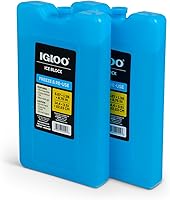
Solid ice packs keep a cooler cold longer and keep it dry. Loose ice melts into water that soaks labels, softens cardboard and mixes with food.
Packs stay solid longer, release less liquid and leave more usable space.
Water-filled packs like Cooler Shock hit an 18°F phase change point, which Cooler Shock says holds contents colder than standard ice for up to 48 hours in a size-matched cooler. Each 10 x 10 x 1 inch pack replaces about 5 to 6 lbs of ice.
You fill them once with water, freeze, and reuse them trip after trip.
The YETI ICE Block is a refreezable solid block with a break-resistant shell and a custom shape that YETI says freezes faster. It works as an ice substitute or as an addition to your ice stash, and it comes in sizes for everything from a Hopper Flip 12 to a Tundra 350.
For a budget option, the Tapleap 13 x 10 inch packs are flat and slim, so they slide down the sides of most cooler bags and hard boxes. Tapleap says they freeze in about 25 minutes and last longer than ice of equal weight.
They're BPA free and sealed, so no meltwater touches your food. For more on choosing between styles, read our guide to the best ice packs for coolers.
How do you pack a cooler to hold cold longer?
Layer cold packs around the food, not just on top. Cold sinks, so put a layer of packs on the bottom, then food and drinks, then more packs on top.
Fill every gap so there's no empty air to warm.
Start with the items you need last at the bottom and the snacks you'll grab first near the lid. That way each opening is short and targeted.
Group drinks in one zone and food in another so you're not digging through the whole cooler for a soda.
Leave a little room, but not much. A cooler packed solid with cold contents holds temperature better than a half-empty one.
If you can't fill it with food, add frozen water bottles or extra packs to take up the space. Our full walkthrough on how to pack a cooler covers layering and zones in detail.
Where should you put the cooler at the campsite or beach?
Deep shade, off the hot ground, with air moving around it. Direct sun on the lid can push the outer shell well above air temperature.
Set the cooler under a tarp, tree or awning and keep it off sun-baked dirt or asphalt.
A mat, log or folding table works as a base. Airflow around the sides helps the shell shed heat instead of soaking it from the ground.
Avoid wedging the cooler against a hot car or tent wall.
At the beach, keep it under an umbrella and out of the sand's direct heat. If you're on a boat or in a truck bed, drape a light-colored towel over it to cut sun without trapping heat.
Never leave a cooler locked in a hot car; the greenhouse effect can overwhelm even a good box.
How often should you open the lid?
As little as possible, and always with a plan. Decide what you need before you lift the lid, then grab it and close.
Each opening costs cold air and pulls in warm, humid air that fogs the interior and melts ice faster.
Use a separate small cooler or bag for the drinks and snacks you'll reach for all day. The main cooler stays shut until a meal.
That one habit can add hours to how long your ice lasts.
Keep the drain closed and the lid latched between uses. If the seal looks dirty or damaged, wipe it clean, because a poor seal lets warm air leak in constantly.
A cooler that stays latched and shaded does most of the work for you.
What else helps ice last through a hot day?
Reduce the heat load before it reaches the ice. Freeze water bottles and refill them for drinking, and pre-freeze meat or leftovers the night before.
A cold, full cooler has far less work to do.
Line the cooler with a reflective liner or a layer of newspaper under the lid for extra insulation on very hot days. Keep the cooler out of the sun during transport, and don't drain the cold water from melted packs mid-trip, since it still helps hold temperature.
Plan your ice in blocks rather than cubes. A large block melts slower than the same weight in small cubes because there's less surface area.
If you're using cube ice, bag it so the meltwater stays contained. For hot food in the same trip, our guide on how to keep things hot in a cooler shows how to separate the two jobs.
How do you keep a cooler cold longer on a multi-day trip?
Replenish cold packs and keep the routine tight. On a trip longer than a day, plan a restock stop and swap in fresh frozen packs while the used ones refreeze.
Keep the cooler full and shut, and avoid leaving it open while you sort through it.
Drain meltwater only when it starts to crowd the food, since the cold water still helps. At night, keep the cooler closed and shaded, and open it less as the days go on.
A size-matched set of packs plus a full box is the core of it.
Check that food still feels cold and contains ice before you eat it. When in doubt, throw it out.
For the fuller picture on how to keep a cooler cold longer, pair cold packs with shade, a full load and a closed lid. Pick Cooler Shock for water-filled packs that replace bulk ice, the YETI ICE Block for a tough refreezable block, or the Tapleap 13 x 10 set for slim budget packs that fit tight spaces.
Frequently asked questions
How long can a cooler stay cold?
A quality hard cooler packed with cold packs and kept closed can hold safe temps for a day or more in mild weather. Cheap coolers and hot, sunny days shorten that a lot.
Cooler Shock says its packs maintain safe temps up to 48 hours in a size-matched cooler.
Should I pre-chill a cooler before using it?
Yes. Add a bag of ice or a few frozen packs to the empty cooler an hour or two before loading it.
That drops the interior wall temperature so your ice is not wasted cooling the plastic first.
Is ice or an ice pack better for keeping a cooler cold?
Ice packs last longer and keep things dry. Ice melts into water that soaks food and takes up space.
Solid frozen packs, like the YETI ICE Block or water-filled Cooler Shock packs, stay cold longer and leave no puddle.
Does a fuller cooler stay colder?
Yes, mostly. Empty air space warms faster than cold contents.
Fill gaps with cold packs, frozen bottles or pre-chilled food so the cold mass holds the temperature and the lid opens onto cold air.