How Do Coolers Keep Things Cold?
A cooler keeps things cold by slowing heat transfer, not by creating cold. Insulated walls, a tight lid seal, and a cold source like ice or ice packs hold the cold in and the outside heat out.
On this page (9 sections)
- What does a cooler actually do?
- How does the insulation in the walls slow heat?
- Why does the lid seal matter so much?
- How do the ice and ice packs keep the inside cold?
- How does packing change how long a cooler stays cold?
- How do drain plugs and latches help?
- Why does a hard cooler usually beat a soft one for ice?
- How can you get more cold time from any cooler?
- What should you remember about how coolers keep things cold?
A cooler keeps things cold by slowing heat transfer, not by generating cold. Thick insulated walls, a lid seal that blocks warm air, and a cold source such as ice or ice packs hold the cold inside and keep outside heat out.
That's how coolers keep things cold for hours or even days.
Understanding how that works helps you pick the right cooler and pack it so the ice lasts. The sections below cover the parts of a cooler, how each one slows heat, and what you can do to get more cold time from the same box.
What does a cooler actually do?
It slows heat from moving inward. A cooler is a sealed box with insulating walls, so heat from the warmer outside air has to pass through several barriers before it reaches your food.
Nothing in a cooler makes cold.
The ice or frozen packs you add are the only cold source, and the cooler's job is to make them last.
Heat always moves from warm to cold, so the warmer outdoor air constantly pushes heat toward the colder interior. A good cooler resists that push long enough for your trip.
Every part of the design works on this one goal.
That means a cooler is really a delay device. It cannot win against heat forever, only buy you time.
The better the box slows heat, the more hours you get from the same bag of ice.
How does the insulation in the walls slow heat?
Foam inside the walls traps air and slows heat flow. Air is a poor heat conductor, and foam holds millions of tiny air pockets in place so heat can't move quickly through the wall.
The thicker the foam layer, the longer the cold stays.
The YETI Tundra 45 shows how this works in practice. It uses up to 3 inches of PermaFrost insulation and an extra-thick FatWall design.
YETI says the polyurethane foam is pressure-injected, which fills the wall gaps tightly so there are fewer thin spots. The chamber depth is 3 inches, which matches that thick-wall build.
Thin-walled budget coolers use much less foam. They can keep drinks cold for an afternoon, but the ice gives out faster on a hot day.
A thick wall also adds weight, which is why the Tundra 45 weighs 23 lbs empty. That weight is the insulation you are carrying.
Why do thick walls come with a weight cost?
More foam means more mass, and a rotomolded shell adds more. The Tundra 45 pairs its thick walls with a one-piece rotomolded polyethylene shell.
That build leaves no seams to crack and holds the foam layer in place so it does not shift or thin out over time. The trade is a heavier box, but the wall stays intact trip after trip.
A thin cooler is light to carry, yet its insulation has less to work with when the sun is out.
Why does the lid seal matter so much?
Most heat gets in through the lid gap, not the walls. If warm air leaks around the lid edge, it carries heat straight into the cold zone.
A rubber gasket that presses tight when the lid closes blocks that path.
The Tundra 45 uses a freezer-style rubber gasket, which YETI calls a ColdLock gasket, running around the full length of the lid. Heavy-duty rubber T-Rex lid latches pull the lid down firmly so the seal stays tight on rough roads.
A cooler with a warped lid or a worn gasket loses its cold faster, so check the seal each season.
The latch design matters too. YETI describes the T-Rex latches as using patented keeper technology so they stay secure on rough terrain and resist snapping under heavy use.
A latch that pops open on a bumpy road leaves the gasket unsealed and the cold air free to escape. The gasket and the latches work as one system, and either one failing undoes the other.
How do the ice and ice packs keep the inside cold?
Ice absorbs heat as it melts. When ice turns to water, it takes in a lot of heat without warming up much, so it soaks up the heat leaking into the cooler.
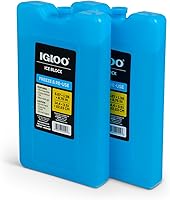
Ice packs with gel or frozen liquid do the same thing, just in a reusable form.
Block ice and large frozen packs last longer than cubes, because they have less surface area per pound and melt more slowly. The YETI ICE Block works as an ice substitute or an addition to your ice, and its custom shape reduces freezing time.
The Healthy Packers set gives you four slim gel packs for lunch bags and smaller coolers.
Using ice and packs together is often the best setup. The packs add extra cold mass, and the ice keeps the air cold and humid.
The Healthy Packers packs are hard gel and measure 7 x 4.7 x 0.5 inches each, so they slide into tight gaps beside food. The YETI ICE Block is 8 inches long and 1 5/8 inches high, which suits the base of a larger cooler.
For more choices, see our guide to the best ice packs for coolers.
How does packing change how long a cooler stays cold?
A full cooler holds the cold longer than an empty one. Every empty space holds warm air that melts ice when the lid opens.
Filling gaps with food, drinks, or extra ice leaves less air to warm up.
Aim for about a 2:1 ratio of ice to contents. The Tundra 45's capacity numbers show how this plays out.
YETI says it packs 26 cans at a 2:1 ice ratio, 54 cans without ice, or 37 lb of ice alone. Interior dimensions are 18.3 x 9.4 x 10.7 inches high, so measure your bottles against that 10.7 inch height before you pack.
Chilling food and drinks before packing helps too, because warm items melt ice from the inside.
A dry goods basket keeps snacks above the meltwater. For a full method, read how to pack a cooler so food stays cold and dry.
How do drain plugs and latches help?
A drain plug lets meltwater out and keeps the ice working. Water pooling in the bottom soaks food and speeds melting of the ice above it.
The Tundra 45 has a Vortex Drain System with a leakproof gasketed plug, so you can empty it without tipping the whole cooler.
Latches and handles matter in a different way. Latches keep the lid shut so warm air stays out, and tie-down slots let you strap the cooler down so it doesn't slide in a truck bed or on a boat deck.
A cooler that stays upright and closed loses less cold. The Tundra 45 also has molded tie-down slots for straps or rope, plus rubber T-Rex latches built to stay shut on rough roads.
A cooler that bounces open on a gravel road loses its cold fast.
Why does a hard cooler usually beat a soft one for ice?
Hard coolers carry thicker insulation and hold ice longer. Rotomolded models like the Tundra 45 are molded in one piece of polyethylene around a thick foam core.
That build leaves no seams to crack and keeps the insulation layer intact.
The exterior measures 25.5 x 16 x 15.5 inches, so the wall depth is built into a rigid shell that does not sag against your food.
Soft coolers are lighter and easier to carry, but their walls are thinner. They suit a picnic, a beach afternoon, or a grocery run.
For a camping weekend or a fishing trip, a hard cooler's extra foam pays off.
When is a soft cooler the better pick?
If you are carrying the cooler by hand for a short walk, a soft cooler wins on comfort. The Tundra 45 weighs 23 lbs empty.
That is a lot to haul up a trail for a few sandwiches. Save the hard box for trips where ice life matters more than portability.
How can you get more cold time from any cooler?
Start cold, pack tight, keep the lid shut, and stay out of the sun. Pre-chill the cooler with a bag of ice the night before.
Chill your food and drinks first, then pack ice around them to fill the gaps.
Keep the cooler in the shade or under a cover when you can. Every lid opening lets warm air in, so plan what you need before you open it.
A cooler on hot pavement or in a hot trunk loses cold faster than one in the shade. The Tundra 45's UV-resistant polyethylene shell protects the finish from sun fade, but it still helps to park the box out of direct sun.
If ice life is your top priority, compare models in our guide to which cooler keeps ice the longest. And if you also carry hot food, how to keep things hot in a cooler covers the flip side.
What should you remember about how coolers keep things cold?
Coolers keep things cold by slowing heat transfer, so the cold source you add does the real work. Thick foam walls, a tight lid gasket, closed latches, and a full interior all slow the heat enough to keep ice for hours or days.
Pick a cooler with thick insulation for long trips, and a lighter soft cooler for quick outings. Then pack it cold and keep the lid closed, and your ice will last as long as the box allows.
Frequently asked questions
How do coolers keep things cold without power?
A cooler is a sealed insulated box, so it needs no power. The insulation slows heat moving through the walls, the lid gasket keeps warm air out, and the ice or ice packs absorb the heat that does get in.
What makes a cooler keep ice longer?
Thicker insulation, a tighter lid seal, and a well-packed interior with little air space keep ice longer. Starting with cold contents and pre-chilled walls also helps, since warm food melts ice from the inside.
Do hard or soft coolers keep things colder?
Hard coolers with thick foam walls, like rotomolded models, usually hold ice longer. Soft coolers are lighter and easier to carry but have thinner insulation, so they suit day trips and short errands better than multi-day camping.
Should you put ice or ice packs in a cooler?
Either works, and using both together is common. Block ice or large ice packs last longer than cubed ice because they have less surface area and melt more slowly.
Cubed ice chills faster but drains away sooner.
Does draining meltwater help keep a cooler cold?
Yes, in most cases. Water sitting in the bottom can soak food and speed up melting of the remaining ice.
A drain plug lets you tip out meltwater so the ice and cold air keep working.