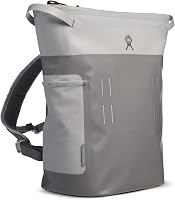
What Are Soft Coolers Made Of?
Soft coolers are made of a tough outer shell, closed-cell foam insulation and a leak-resistant zipper. The shell resists water and scuffs, the foam slows heat gain, and the zipper keeps meltwater inside the bag.
On this page (9 sections)
- What materials make up a soft cooler?
- What is the outer shell made of?
- What kind of insulation keeps a soft cooler cold?
- How does the zipper affect performance?
- What is a soft-sided cooler, and how is it built differently from a hard cooler?
- What are soft coolers made of at the base and handles?
- How do you compare soft cooler materials before buying?
- How do you care for the materials so they last?
- What should you look for when buying a soft cooler?
Soft coolers are made of a fabric shell backed by closed-cell foam insulation and closed with a leak-resistant zipper. The shell takes the abuse, the foam holds the cold, and the zipper is what keeps the whole thing from turning your car trunk into a puddle.
Knowing what goes into the bag helps you judge one on the shelf. A thick, coated shell and a sealed zipper tell you more about real performance than a fancy print or a big brand label.
What materials make up a soft cooler?
Every soft cooler is a layered bag: an outer shell, an insulation layer, an inner liner and a closing system. Makers swap the materials, but the basic stack stays the same.
The outer shell is usually woven fabric such as nylon or polyester. Many brands coat it with TPU or another waterproof layer so rain beads up and scuffs slide off.
YETI's DryHide Shell, for example, is a waterproof, puncture- and abrasion-resistant fabric.
Under the fabric sits the insulation. Most soft coolers use closed-cell foam, often polyurethane foam, because its sealed bubbles trap air and slow heat transfer.
An inner liner, often a food-safe welded plastic, keeps the foam dry and makes the bag easy to wipe out.
Finally comes the opening. A heavy-duty zipper, sometimes with a waterproof seal, closes the top.
These four parts decide how cold the bag stays and how long it lasts.
What is the outer shell made of?
The outer shell is a woven fabric, usually nylon or polyester, often coated for water resistance and abrasion resistance. The weave and coating set how well the bag shrugs off rocks, branches and wet docks.
Denier is the number you'll see most, such as 840D nylon on the Pelican Dayventure Backpack. A higher denier means a thicker, heavier yarn, so 840D fabric feels stiffer and more scuff-resistant than thin pack cloth.
Many shells also get a double TPU coating for puncture resistance.
Brands give these fabrics their own names. YETI calls its outer fabric DryHide Shell and says it stands up to punctures, abrasions and UV rays.
That's marketing language, but the construction underneath is a coated woven fabric.
Watch for seams and stitch lines on the outside. A shell that's welded or taped at the seams handles splashes better than one stitched with exposed thread.
What kind of insulation keeps a soft cooler cold?
Closed-cell foam is the standard insulation, and its sealed bubbles are what hold the cold. Open-cell foam soaks up water like a sponge and loses its edge once damp, so quality bags avoid it.
YETI's ColdCell Insulation is a closed-cell foam the brand says holds cold better than ordinary soft coolers. Pelican uses high-density closed-cell foam in the Dayventure's insulated inner walls.
Both are the same basic idea: a foam layer thick enough to slow heat coming through the fabric.
Thickness matters, but so does coverage. A bag with foam in the walls and lid keeps ice longer than one with a thin base and an uninsulated top.
That's why larger bags often hold cold longer; there's simply more foam between the ice and the warm air.
A soft cooler won't match a hard rotomolded cooler for multi-day trips. It wins on weight and packability, so the foam is a compromise between cold-holding and carry comfort.
How does the zipper affect performance?
The zipper is the most common failure point on a soft cooler, so a sealed, heavy-duty zipper matters more than most shoppers expect. A weak zipper leaks air in and meltwater out.
YETI fits the Hopper Flip 12 and 18 with a HydroLok Zipper that the brand calls 100% leakproof. Pelican's Dayventure uses a leak-resistant zipper with a waterproof seal.
Those designs wrap the teeth in a covering so water can't slip past.
Cheaper bags often use a standard coil zipper with a fabric flap. That flap keeps splashes out but does little once the bag tips or sits in a puddle.
If you plan to carry the cooler in a boat or on a wet beach, a sealed zipper is worth the extra cost.
Zipper care also affects lifespan. Rinse off sand and salt, let it dry, and avoid forcing it closed over a bulging load.
A zipper that's cleaned and not overstuffed lasts longer.
What is a soft-sided cooler, and how is it built differently from a hard cooler?
A soft-sided cooler is a flexible, fabric-bodied cooler rather than a rigid plastic box. That flexibility is the whole point, and it changes how the materials are used.
If you want the fuller picture, our explainer on what is a soft sided cooler covers the styles and trade-offs.
Hard coolers rely on thick molded plastic walls packed with foam. Soft coolers wrap thinner foam in fabric so the bag can squash flat, fold into a trunk or ride on your back.
The seams and zipper carry more of the load because there's no rigid frame.
That build makes soft coolers lighter and easier to store. It also means the fabric and zipper do more work, so shell quality separates a durable bag from a flimsy one.
What are soft coolers made of at the base and handles?
The base and handles use reinforced fabric, webbing or a molded shell to survive dragging and carrying. These are the spots that wear first, so makers add structure there.
Pelican gives the Dayventure a compression-molded base for extra structure and durability. A molded base resists abrasion when you set the bag down on concrete or gravel and helps it stand upright when loaded.
YETI's Hopper line uses reinforced handles and, on the 18, a detachable shoulder strap.
Look for webbing handles stitched through multiple layers rather than a single seam. On wheeled models, the frame and wheels add plastic and metal parts to the material list.
Our guide to the best soft coolers with wheels shows how those rolling frames are built.
A reinforced base and solid handles are quiet details, but they decide whether the bag survives a season of tailgates or starts fraying by August.
How do you compare soft cooler materials before buying?
Compare the shell fabric, the insulation type and the zipper first, then match the bag to how you'll carry it. Those three parts tell you more than the brand name alone.
Start with the shell. Look for coated nylon or polyester, a stated denier and reinforced seams.
Next, check that the foam is described as closed-cell. Finally, confirm the zipper is sealed or leak-resistant if the bag will ride in a boat or on wet ground.
Weight and capacity come next. The YETI Hopper Flip 12 holds up to 12 cans plus ice and weighs 3.1 lbs empty.
The Hopper Flip 18 holds up to 16 cans plus ice and weighs 5.1 lbs empty. The Pelican Dayventure Backpack uses 13 liters in its upper compartment and 5.4 liters below.
If you'd rather carry the cooler on your shoulders, compare builds in our guide to the best backpack coolers. For sand and sun, see the best beach coolers for bags that handle salt and heat.
How do you care for the materials so they last?
Wipe the liner with mild soap and water, rinse the shell and zipper free of sand and salt, then air dry everything fully. YETI's care guidance for the Hopper line is exactly that: clean with mild soap and water, air dry, and store in a cool, dry place.
Leave the zipper open while drying so trapped moisture can escape. A bag stored damp grows mildew, and mildew eats fabric and foam over time.
Avoid harsh cleaners, bleach and machine washing; they break down the coatings that make the shell water-resistant.
Rinse the zipper after beach trips so salt doesn't jam the teeth. Store the bag open and dry, and don't leave it in a hot car or direct sun for long stretches, since UV light wears down fabric coatings.
What should you look for when buying a soft cooler?
Look for coated fabric, closed-cell foam and a sealed zipper, then pick a size that matches your trips. Those three details are the real answer to what soft coolers are made of, and they're what you can check before you buy.
The YETI Hopper Flip 12 is the safest pick for most people carrying a day's food and drinks. The Hopper Flip 18 suits longer outings or a bigger group.
The Pelican Dayventure Backpack fits hikers and anglers who want their hands free.
Check the weight empty before you commit, especially if you'll carry it far. Read the maker's care instructions so the shell and zipper keep working.
Pick the bag whose materials fit your trips, and it will hold ice and last for seasons.
Frequently asked questions
Are soft coolers waterproof or just water-resistant?
It depends on the model. Many shells are waterproof or water-resistant and shed rain, but the weak point is usually the opening.
A cooler only holds meltwater reliably when its zipper is sealed and fully closed.
How thick is the foam in a soft cooler?
Makers rarely publish a foam thickness in inches. They usually name the insulation type, such as closed-cell foam or polyurethane foam, and give a can capacity instead.
A thicker wall and a sealed lid matter more than a number most brands leave out.
Can soft coolers keep ice frozen overnight?
Yes, a well-insulated soft cooler can hold ice through a night or a full day out if you start with plenty of ice or frozen packs and keep the lid closed. Larger bags with denser foam hold cold longer than small ones.
Do soft coolers leak through the fabric?
A waterproof shell keeps water out and meltwater in, so the fabric itself rarely leaks. Leaks usually come from the zipper or from tipping the bag so water reaches an opening that isn't sealed.
Is TPU better than nylon for a soft cooler shell?
TPU adds a waterproof, puncture-resistant layer on top of nylon, so coated fabric is tougher than plain nylon. Plain nylon is lighter and cheaper but soaks through and scuffs more easily.
How do you clean the inside of a soft cooler?
Wipe the liner with mild soap and water, then let it air dry fully with the bag open before you store it. Skip harsh cleaners and never put a soft cooler in a dishwasher or washing machine.