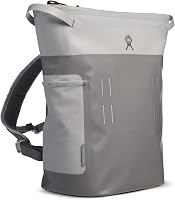
What Is a Soft-Sided Cooler?
A soft-sided cooler is an insulated bag made of flexible fabric and foam, sealed with a zipper or roll-top, that carries drinks and food like a duffel. It keeps ice for hours to a few days depending on its insulation, and it folds or squashes flat when empty.
On this page (9 sections)
- What is a soft sided cooler and how does it differ from a hard cooler?
- What is inside a soft-sided cooler that keeps ice cold?
- How long does a soft-sided cooler keep ice?
- Why choose a soft-sided cooler for day trips and tight spaces?
- When is a wheeled or backpack soft cooler the better buy?
- How do you pick the right size soft-sided cooler?
- What should you check before buying a soft-sided cooler?
- How do you clean and store a soft-sided cooler?
- What is a soft sided cooler best for?
A soft-sided cooler is an insulated bag made of flexible fabric and foam, sealed with a zipper or roll-top, that carries drinks and food like a duffel. It keeps ice for hours to a few days depending on its insulation, and it folds or squashes flat when empty.
That flexibility is the whole point. A soft cooler bends to fit in a car trunk, hangs off a shoulder strap on a hike, and takes up little shelf space between trips.
If you're new to cooler shopping, this guide explains what a soft sided cooler is, how it works, and when it beats a hard box.
What is a soft sided cooler and how does it differ from a hard cooler?
A soft-sided cooler is a fabric bag with foam insulation and a flexible liner, while a hard cooler is a rigid plastic shell with thick molded foam. The soft version flexes, folds, and usually weighs far less.
The trade-off is cold retention and crush protection. A hard cooler's solid walls hold ice longer and let you stack heavy gear on top.
A soft bag carries closer to your body, fits in a footwell, and collapses when the trip ends. Soft bags also come with more carry options, since handles, shoulder straps, and even wheels mount to fabric without the bulk of a molded shell.
For a closer look at the rigid option, read what is a hard sided cooler. Most people end up owning one of each: soft for day trips and hard for long camps.
What is inside a soft-sided cooler that keeps ice cold?
Closed-cell foam is the insulation layer, sandwiched between an outer shell and an inner liner. The foam traps cold air and slows heat transfer, and the thicker it is, the longer ice lasts.
The YETI Hopper Flip 12 shows the typical build. YETI says its ColdCell Insulation is a closed-cell foam with better cold-holding than ordinary soft coolers, and the bag holds up to 12 cans plus ice.
A waterproof outer shell resists punctures and UV rays, and a leakproof zipper keeps meltwater in. Cheaper bags use thin open-cell foam, which soaks up water and loses its chill fast.
The three layers that do the work
Every soft cooler repeats the same sandwich. The outer shell takes the abuse, the foam slows the heat, and the inner liner keeps water where it belongs.
YETI's DryHide Shell is waterproof and resistant to punctures and abrasions, and the Hopper Flip 18 lists the same shell plus ColdCell Insulation. The RTIC Everyday Wheeled Soft takes a slightly different route: it pairs closed-cell foam with a coated fabric that's easy to clean and waterproof, and its leak-free liner sits over a durable waterproof bottom.
When you compare soft coolers, foam thickness and zipper quality tell you more than the fabric print.
How long does a soft-sided cooler keep ice?
A good soft cooler holds ice for about a day, and larger well-insulated models can stretch to two or three days. Thin budget bags may only keep ice for a few hours.
Several things decide the real number. Pre-chilling the bag, using block ice or frozen packs instead of loose cubes, and keeping the lid closed all help.
So does the fill level: a full cooler stays cold longer than a half-empty one because there's less warm air inside. A soft bag also loses cold faster than a hard cooler of the same size, so plan on restocking ice for multi-day trips.
For beach days and short outings, a single bag of ice is usually plenty. For a longer stay, the bigger Hopper Flip 18 offers more room for ice around the food.
Why choose a soft-sided cooler for day trips and tight spaces?
Soft coolers win on portability. They weigh less than hard boxes, fold flat for storage, and fit into spaces a rigid cooler can't.
The YETI Hopper Flip 12 weighs 3.1 lbs empty and measures 12 5/8 in long by 10 in wide by 11 1/2 in high. That's light enough to carry by its handles from the car to a picnic table, and small enough to slide under a seat.
It suits lunch for two, a few drinks on a boat, or a morning of fishing. A 12-can bag like this is the sweet spot for one or two people.
For bigger outings you move up to larger bags or wheels. YETI also calls the Hopper Flip 12 a personal cooler for full days in a tree stand, early mornings in a duck boat, or afternoons on the water, which tells you the size is aimed at one person's day, not a crowd.
When is a wheeled or backpack soft cooler the better buy?
Choose wheels when the load gets heavy, and a backpack cooler when your hands need to stay free. Both are soft-sided coolers, just with a different carry system.
A rolling soft cooler like the RTIC Everyday Wheeled Soft holds 40 cans in a 21-quart bag. It has rugged wheels for rough ground and a telescoping handle, plus a quick-grab lid hatch so you can reach a drink without unzipping the top.
The bag and trolley fold into a compact shape for storage. That's the pick for tailgates, beach parking lots, and long walks from the car.
A backpack cooler spreads weight across your shoulders for hikes and festivals. Compare wheeled options in our guide to soft coolers with wheels if hauling is your main concern.
How do you pick the right size soft-sided cooler?
Match can capacity to the number of people and the length of the trip. A 12-can bag covers lunch for two, while 30 to 40 cans suits a family or a full day out.
Capacity claims vary by maker, so read them carefully. The YETI Hopper Flip 12 holds up to 12 cans plus ice.
The larger YETI Hopper Flip 18 is rated for up to 16 cans plus ice and measures 15 2/3 in long by 10 1/5 in wide by 12 3/5 in high, weighing 5.1 lbs empty. It suits longer trips and bigger loads, and YETI says it's built for carrying lunch, keeping a catch, and enjoying a cold drink after.
That extra room costs weight and bulk. Pick the smaller bag if you walk far; pick the larger one if you drive to the spot and stay a while.
The RTIC rolling bag sits at the top end, with 40 cans in a 21-quart body and a 7.1 lb weight that the wheels carry for you.
What should you check before buying a soft-sided cooler?
Check the zipper, the shell, the carry system, and the weight. Those four details decide whether a bag leaks, tears, or hurts your shoulder after a mile.
A leakproof zipper is the top feature to confirm. YETI's HydroLok Zipper is described as 100% leakproof, and the DryHide Shell is waterproof and resistant to punctures and abrasions.
A waterproof bottom matters too, since that's what sits on wet sand or a truck bed. The RTIC bag adds its own touches here: a stainless-steel bottle opener, front pockets and side mesh stash pockets for small gear, and webbing straps on the lid for hauling larger items.
Look at the handles and straps: the Hopper Flip 18 includes a detachable shoulder strap and reinforced handles. Finally, weigh the empty bag against how far you'll carry it.
A 5 lb bag is fine from the car; a long hike favors the lighter 3.1 lb model.
How do you clean and store a soft-sided cooler?
Wipe the liner with mild soap and water, rinse, and air dry with the lid open. Then store it open in a cool, dry place so moisture and smells don't build up.
YETI's care instructions for the Hopper Flip 12 say to clean with mild soap and water, air dry, and store in a cool, dry place. Skip bleach and harsh cleaners, which can damage the liner and zipper.
After a beach trip, rinse out sand and salt before the bag dries. Leave the zipper open while it dries so air reaches the corners.
For beach trips specifically, our beach cooler guide covers sand, sun, and saltwater care. A bag that's fully dried before storage keeps its liner and zipper in better shape than one stored damp and zipped shut.
If a bag has a removable shoulder strap, like the Hopper Flip 18, unhook it and wipe it separately so grit doesn't grind into the fabric.
What is a soft sided cooler best for?
A soft-sided cooler is the right pick when you need to carry cold food and drinks yourself, not when you need days of ice in a fixed spot. It's light, it folds, and it fits where a hard box won't.
Pick the YETI Hopper Flip 12 for lunch for two and everyday trips. Step up to the YETI Hopper Flip 18 when you need more capacity for longer outings.
Choose the RTIC Everyday Wheeled Soft when the load is heavy enough that wheels make sense. If you'll be parked in the sun all weekend, a hard cooler still holds ice longer.
For everything in between, a soft sided cooler does the job with less weight and less fuss.
Frequently asked questions
Is a soft-sided cooler leakproof?
Only models with a waterproof zipper or welded seam are fully leakproof. The YETI Hopper Flip 12 uses a 100% leakproof HydroLok Zipper, so melted ice stays inside.
Basic zip-top bags can seep water through the zipper teeth and seams.
How do you clean a soft-sided cooler?
Wipe the liner with mild soap and warm water, rinse, and let it air dry with the lid open. YETI's care instructions for the Hopper Flip 12 say to clean with mild soap and water, air dry, and store in a cool, dry place.
Skip harsh cleaners and never put it in a washer.
Is a soft cooler better than a hard cooler?
A soft cooler is lighter, folds flat, and slings over your shoulder, so it suits day trips and tight spaces. A hard cooler holds ice longer and stacks sturdy for camping or tailgating.
Pick soft for carrying and hard for long cold stretches.