Will a Cooler Keep Things From Freezing?
Yes. A well-packed cooler will keep things from freezing in most cold-weather trips, as long as you swap frozen water bottles for insulated cold packs and keep the lid shut. The cooler slows the cold air around your food, so drinks and fresh items stay chilled instead of turning to ice.
On this page (9 sections)
- How does a cooler stop food from freezing?
- Why do drinks freeze in a cooler in the first place?
- How do you pack a cooler so food stays cold without freezing?
- Which cold packs are best for cold-weather trips?
- Does the type of cooler matter in cold weather?
- How long will a cooler keep food from freezing?
- What mistakes cause food to freeze in a cooler?
- How do you keep drinks from freezing while still keeping them cold?
- The bottom line on cold-weather coolers
Yes. A well-packed cooler will keep things from freezing in most cold-weather trips, as long as you use insulated cold packs instead of loose ice and keep the lid closed.
The cooler slows the cold around your food, so drinks and fresh items stay chilled instead of turning to ice.
The question comes up on winter camping trips, in ski lodges, and in cars parked overnight. People pack a cooler to keep food cold, then find their water bottles frozen solid by morning.
The fix is mostly in how you pack, not in buying a bigger box.
How does a cooler stop food from freezing?
A cooler works as an insulator in both directions. Its foam walls slow heat moving in during summer and slow cold moving in during winter, so the inside drifts toward the outside temperature slowly instead of all at once.
That matters because a cooler is not a freezer. It has no compressor and no thermostat.
The inside temperature settles somewhere between the cold packs you put in and the air outside.
When the outside air is near or below freezing, the cooler's walls keep the worst of it out for a while. A hard-sided model with thick foam holds that buffer longer than a thin soft bag.
The weak point is the cold packs. Ice at 32°F or colder sits right against your food, and that contact is what actually freezes drinks and produce.
Move or wrap the packs and the freezing risk drops.
Why do drinks freeze in a cooler in the first place?
Loose ice and freezer-cold packs sit well below freezing, and anything touching them can freeze within a few hours. Water bottles are the usual victim because they press against the ice at the bottom.
A cooler packed for a summer beach day uses ice at 32°F or lower, often straight from a freezer at 0°F. That is colder than most food needs.
In warm weather the ice melts fast, so the cold never builds up.
In cold weather the ice melts slowly or not at all. The cold keeps sitting there, and the cooler's insulation traps it against your food.
That is why the same packing method freezes a salad in January but not in July.
How do you pack a cooler so food stays cold without freezing?
Wrap the cold source and keep it away from the items you most want to protect. A towel or a layer of dry food between the pack and the drinks is enough for most trips.
- Line the bottom with a folded towel or a dry cloth.
- Put the coldest pack at the bottom or along one wall.
- Add a second layer of cloth over the pack.
- Pack drinks and fresh food on top, away from direct contact.
- Fill empty space with dry goods so there is less air to chill.
- Close the lid and keep it shut.
Leave a little breathing room so you can lift items out without touching the pack. Packing the cooler full is the easiest way to cut the air space that lets cold spread.
For a day trip, one or two gel packs set under a towel will keep a lunch cool without freezing it. For an overnight trip in freezing weather, add a third pack and wrap each one.
Which cold packs are best for cold-weather trips?
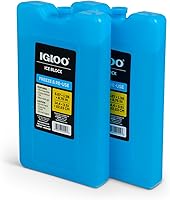
Sealed gel packs and insulated cold blocks beat loose ice for cold weather. They release cold more slowly and they can't melt into a puddle that soaks your food.
Which pack should you pick?
The Healthy Packers set is a good fit when you want several slim packs to layer around food. Each pack measures 7 x 4.7 x 0.5 inches, so four of them fit into a small cooler without crowding the food.
The YETI ICE Block suits a larger cooler where you want one steady cold source. It's a reusable block with a break-resistant shell and a custom shape that reduces freezing time.
Pick the gel packs if you pack a lunch box or a small soft cooler. Pick the ICE Block if you run a hard cooler for a family trip and want fewer pieces to manage.
Does the type of cooler matter in cold weather?
Yes. A hard-sided cooler with thick insulation holds temperature more evenly than a soft bag.
Rotomolded walls with dense foam give you a bigger buffer against outside cold.
The YETI Tundra 65 is the obvious example. Its FatWall design holds up to 3 inches of PermaFrost insulation, and the freezer-quality gasket around the lid blocks outside air.
That combination works in both directions, so it also slows cold air getting in.
It's 30.5 in long and weighs 29 lb empty, so it's a truck-bed or basecamp cooler rather than a carry-on. For a short walk to a ski lodge, a smaller hard cooler or a thick soft bag is easier to carry.
If you're comparing brands before you buy, our guide to the best cooler brands covers what separates thick-walled models from thin ones. For a budget hard cooler, the Igloo cooler range includes several thick-walled options.
How long will a cooler keep food from freezing?
Expect several hours in mild cold and less in hard frost. A thick hard cooler packed with gel packs will hold a steady chill through a day trip.
An unheated car overnight is tougher, because the air around the cooler can drop well below freezing.
The cooler's own insulation is what buys you time. A rotomolded box with 3 inches of foam holds temperature longer than a thin soft bag with a single layer of padding.
The more foam between your food and the outside air, the slower the drift.
Pack the cooler full and keep the lid shut. Every time you open it, cold air from outside gets in and warm air gets out, and the contents chill faster.
Check items in the morning on an overnight trip. If the cooler sat in a freezing car, open it briefly, look at the drinks and produce, and repack with a fresh towel layer if anything is starting to ice over.
What mistakes cause food to freeze in a cooler?
The biggest mistake is laying frozen packs straight against drinks and produce. Direct contact with a sub-freezing pack is what turns water bottles and lettuce into ice.
A second mistake is overfilling with ice. A cooler packed mostly with loose ice has little room for insulation between the ice and the food.
Use a few packs and leave air gaps filled with dry goods instead.
Leaving the lid open is the third. An open cooler in cold weather lets the outside air in fast, and items near the opening freeze first.
Close it and keep it closed.
The last mistake is using a cooler as a freezer. A cooler slows temperature change; it doesn't hold a set temperature.
If you need food frozen solid, use a freezer or dry ice, not a standard cooler.
How do you keep drinks from freezing while still keeping them cold?
Put the drinks in the middle of the cooler, wrapped in a towel, with the cold packs at the bottom. That keeps them chilled without putting them in contact with the coldest surface.
Fill bottles only partway if you expect hard frost, since water expands as it freezes. A partly filled bottle can freeze without cracking, and it still holds cold.
Keep the cooler out of the wind and off cold ground. A folded blanket under the cooler adds a layer of insulation on the side the foam doesn't cover.
For hot food in the same trip, our guide to how to keep things hot in a cooler explains how to separate hot and cold sections so neither one wins. If you're weighing a premium hard cooler against a cheaper brand, see coolers like YETI for the models that copy the thick-wall design.
The bottom line on cold-weather coolers
Will a cooler keep things from freezing? Yes, if you wrap the cold packs and keep the lid shut.
Use gel packs or a cold block instead of loose ice, layer a towel between the cold source and your food, and pack the cooler full.
Pick the Healthy Packers gel packs for a lunch box or small cooler. Choose the YETI ICE Block for a bigger hard cooler where one steady cold source is easier to manage.
Pick the YETI Tundra 65 if you want thick walls that hold temperature in both heat and cold.
Skip loose ice in freezing weather and skip leaving the lid open. Those two changes do most of the work.
For everything else, match the pack to the cooler size and let the foam handle the rest.
Frequently asked questions
Will a cooler keep things from freezing overnight?
It can, if you wrap the cold packs in a towel and leave the lid closed. The cooler holds the cold air steady, so food near the packs gets chilled rather than frozen.
Keep the coolest packs away from the items you most want to protect.
What should I use instead of ice in a cold-weather cooler?
Use sealed gel packs or insulated cold blocks rather than loose ice. They release cold more slowly and can't melt into your food.
Put the coldest pack at the bottom and let the cooler do the rest.
Can a cooler keep food from freezing in a car overnight?
Yes, a hard-sided cooler with thick walls will hold a steady temperature in a car for hours. Park out of the wind and keep the lid shut.
Check items in the morning, since an unheated car can still drop well below freezing.
Is a soft cooler or a hard cooler better for cold weather?
A hard-sided cooler like a rotomolded model holds temperature more evenly than a soft bag. If you only need to stop a lunch from freezing for a few hours, a thick soft cooler with a good cold pack is fine.
Will a cooler keep things from freezing if I leave the lid open?
No, an open lid lets cold air in and warm air out, so items near the opening can freeze fast. Keep the lid closed and pack the cooler full so there is less air space to chill.