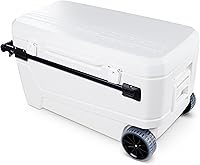
What to Bring in a Picnic Cooler
Pack three things: a cooler that holds cold, ice packs that stay frozen for the trip length, and food and drinks that are already cold. Then add a few extras for serving and cleanup, and leave the rest at home.
On this page (9 sections)
- What goes in a picnic cooler first?
- Which food and drinks should you pack?
- How much ice or ice pack do you need?
- How do you keep the cooler cold all day?
- Which ice packs suit a picnic cooler?
- What serving and cleanup extras are worth packing?
- How should you load the cooler so food stays cold?
- What should you leave out of a picnic cooler?
- The bottom line on what to bring in a picnic cooler
What to bring in a picnic cooler comes down to three things: a cooler that holds cold, ice packs frozen for the trip, and food and drinks that are already cold before they go in. Add a few serving and cleanup extras, and leave the rest behind.
The mistake most people make is treating the cooler as the start of the packing list. It works better as the last thing you fill.
Decide the trip first, then let the cooler and its cold source follow.
What goes in a picnic cooler first?
Ice packs or frozen bottles go in first, at the bottom and up the sides. Cold air sits low, so building the cold layer first gives everything above it a colder base.
Put one layer of frozen packs flat on the floor of the cooler. Stand a couple more against the walls if the trip is long or the day is hot.
Leave room for food to sit on top of and beside the cold source rather than buried under it.
Frozen water bottles do double duty here. They chill the cooler on the way out and turn into cold drinking water later.
That saves you packing ice and drinks as separate items.
If you'll carry the cooler from the car for more than a short walk, keep the load lighter. A rolling model suits long hauls, while a small hard cooler is easier to carry short distances.
See how cooler brands differ in insulation before you decide what to fill.
Which food and drinks should you pack?
Pack food and drinks that are already cold, and choose items that survive hours in a cold box. Food pulled warm from the fridge warms the cooler from the inside and costs you cold hours later in the day.
Sandwiches, wraps, cheese, cut fruit, and cold salads all travel well in sealed containers. Drinks in cans or bottles chill fast next to ice packs.
Keep anything that will leak or get soggy in its own sealed box.
Pack raw meat only if you plan to grill, and keep it in a sealed bag at the bottom, away from ready-to-eat food. Better still, cook meat ahead and pack it cold.
Leave out dishes that can't take the cold, like anything meant to be served hot. A picnic cooler is a cold box, not a warmer.
For long days, keep drinks in a separate small cooler so the food cooler stays shut.
How much ice or ice pack do you need?
Aim for roughly equal space given to cold packs and to food and drinks. Fill empty gaps with extra packs or a rolled towel so there's little air left in the cooler.
A full cooler holds cold much longer than a half-empty one. Every air pocket is space the cold has to fill and loses.
If you can't fill the cooler with food, fill it with ice packs or frozen bottles.
For a day trip in mild weather, a solid layer of frozen packs is usually enough. For a hot day or a long drive, double the packs and keep the cooler in the shade.
Pre-chilling the cooler with a bag of ice an hour before loading helps too.
How do you keep the cooler cold all day?
Start with a pre-chilled cooler, frozen packs, and a lid that stays shut. Cold retention is mostly about how often you open it and how much cold you loaded at the start.
Keep the cooler out of direct sun and off hot pavement. A shaded spot or a blanket over the top slows the melt.
Open it once to serve food rather than rummaging every few minutes.
Drain meltwater from hard coolers if it builds up, since water speeds heat transfer. For soft bags, keep the zipper closed and pack tightly.
An Igloo cooler or a similar well-insulated model makes this easier because the cold starts from a better base. Our comparison of coolers like YETI covers options with strong insulation for longer trips.
Which ice packs suit a picnic cooler?
Choose flat freezer packs for tight spaces and larger blocks for full-day trips. The right pack shape matters as much as the pack count, since flat packs stack and slide between containers.
Flat packs work well in soft bags and crowded coolers because they take up less room. Larger blocks hold their cold longer and suit a full day or a hot forecast.
Pack a mix if you have both.
The Healthy Packers set is a four-pack of slim gel packs, each measuring 7 x 4.7 x 0.5 inches. The maker says they meet TSA guidelines when fully frozen, so they also suit a lunch bag carried on a flight.
They fit bento boxes and crowded freezer drawers, which makes them a good everyday choice.
For a bigger hard cooler, the Tapleap large packs measure 13 x 10 inches and suit cooler bags from brands like YETI, Rtic, Igloo and Coleman. The maker says they freeze in about 25 minutes.
That short freeze time is handy when you decide to picnic on short notice.
Skip the large packs if you're packing a small soft bag for one or two people. The small gel packs fit that job better.
See whether Grizzly coolers are good if you want a hard cooler that pairs well with big blocks.
What serving and cleanup extras are worth packing?
Pack a small kit for serving and messes: a knife, a cutting board, napkins, wet wipes, and a trash bag. These few items save the most hassle and weigh almost nothing.
A folding knife and a thin cutting board let you cut cheese, fruit, or a loaf without hunting for a picnic table tool. Wet wipes handle sticky hands and spills.
A trash bag keeps the site clean and your cooler free of wrappers.
Add a bottle opener if you pack bottles, and a small towel for condensation. A thermometer is optional for a short trip but useful on hot days or when you pack raw food.
Keep this kit in a small bag beside the cooler rather than inside it. Every item that lives in the cooler takes up cold space and gets in the way when you open the lid.
How should you load the cooler so food stays cold?
Load cold first, then heavy food, then lighter items and drinks on top. The order keeps the coldest air at the base and stops soft food from getting crushed.
Place frozen packs on the floor and along the sides. Put heavy containers like potato salad or a drinks bottle next.
Add sandwiches and cut fruit last, in sealed boxes. Leave a little space at the top so the lid seals without pressing on food.
Pack raw meat in its own sealed bag at the bottom corner, away from ready-to-eat items. Sealed containers stop meltwater from soaking food if the cooler gets knocked around in the car.
Fill any leftover gaps with extra ice packs or a rolled towel. Then close the lid and keep it closed until you reach the picnic spot.
What should you leave out of a picnic cooler?
Leave out anything that can't handle hours in a cold box and anything that will make a mess. That includes hot dishes, loose leafy salads, and glass bottles that can break on the ride.
Hot food packed in a cold cooler warms the cold packs and cools the dish, so neither stays right. Carry hot food in a separate insulated container instead.
Skip loose greens that will wilt in condensation. Pack salad dressing in a small sealed bottle and add it at the picnic.
Glass bottles are heavy and breakable; cans or plastic bottles travel better.
Don't pack more than you'll eat. Food left over at the end of a warm day often goes to waste, and a lighter cooler is easier to carry home.
For more on what to skip and what to bring, our picnic cooler essentials guide covers the full list in depth.
The bottom line on what to bring in a picnic cooler
Bring a cooler that holds cold, enough frozen packs for the trip length, cold food and drinks in sealed containers, and a small serving kit. Then fill the empty space so there's no air left to warm the load.
Pack the cold source first and the food last. Pre-chill the cooler, keep the lid shut, and keep it in the shade.
A separate small cooler for drinks keeps the food cooler colder for longer.
If you're still choosing the box, compare cooler brands for insulation and size before you load it. The right cooler and a full set of frozen packs do more for a picnic than any single item of food.
Frequently asked questions
What should I pack first in a picnic cooler?
Pack the coldest items first. Put ice packs and frozen drinks at the bottom and along the sides, then load heavy food next, and finish with lighter food and drinks on top.
Cold air sits low, so cold at the base keeps everything above it cooler.
How long will a picnic cooler keep food cold?
A well-insulated hard cooler with frozen ice packs typically holds safe cold for most of a day out. How long depends on the cooler's insulation, how full it is, how often you open it, and the air temperature.
A full cooler stays cold longer than a half-empty one.
Can I use regular ice instead of ice packs in a picnic cooler?
Yes, regular ice works and cools faster, but it melts and leaves water in the cooler. Ice packs and freezer blocks keep things cold without the meltwater mess.
A mix of both works well for long days, as long as you pack food in sealed containers.
Should food and drinks go in the same cooler?
Separate them when you can. A second small cooler for drinks stops people from opening the food cooler every time they want water.
If you use one cooler, put drinks at the bottom or in a corner so food stays undisturbed and the lid stays closed.
How much ice or ice pack do I need for a day picnic?
Aim for roughly a one to one ratio of ice or ice packs to food and drinks by space in the cooler. Fill empty gaps with extra ice packs or a towel.
A packed cooler holds cold far better than one with a lot of open air.